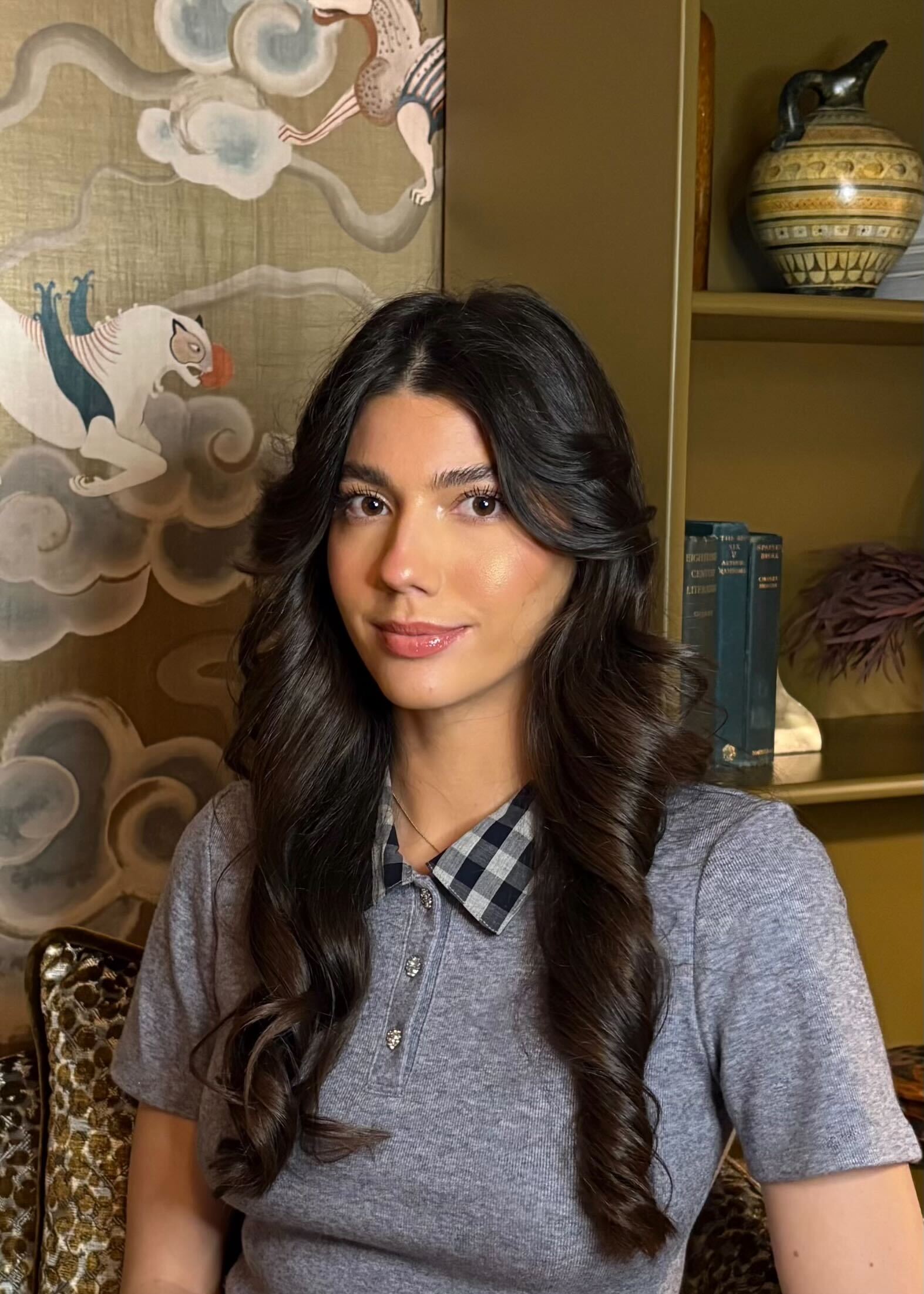
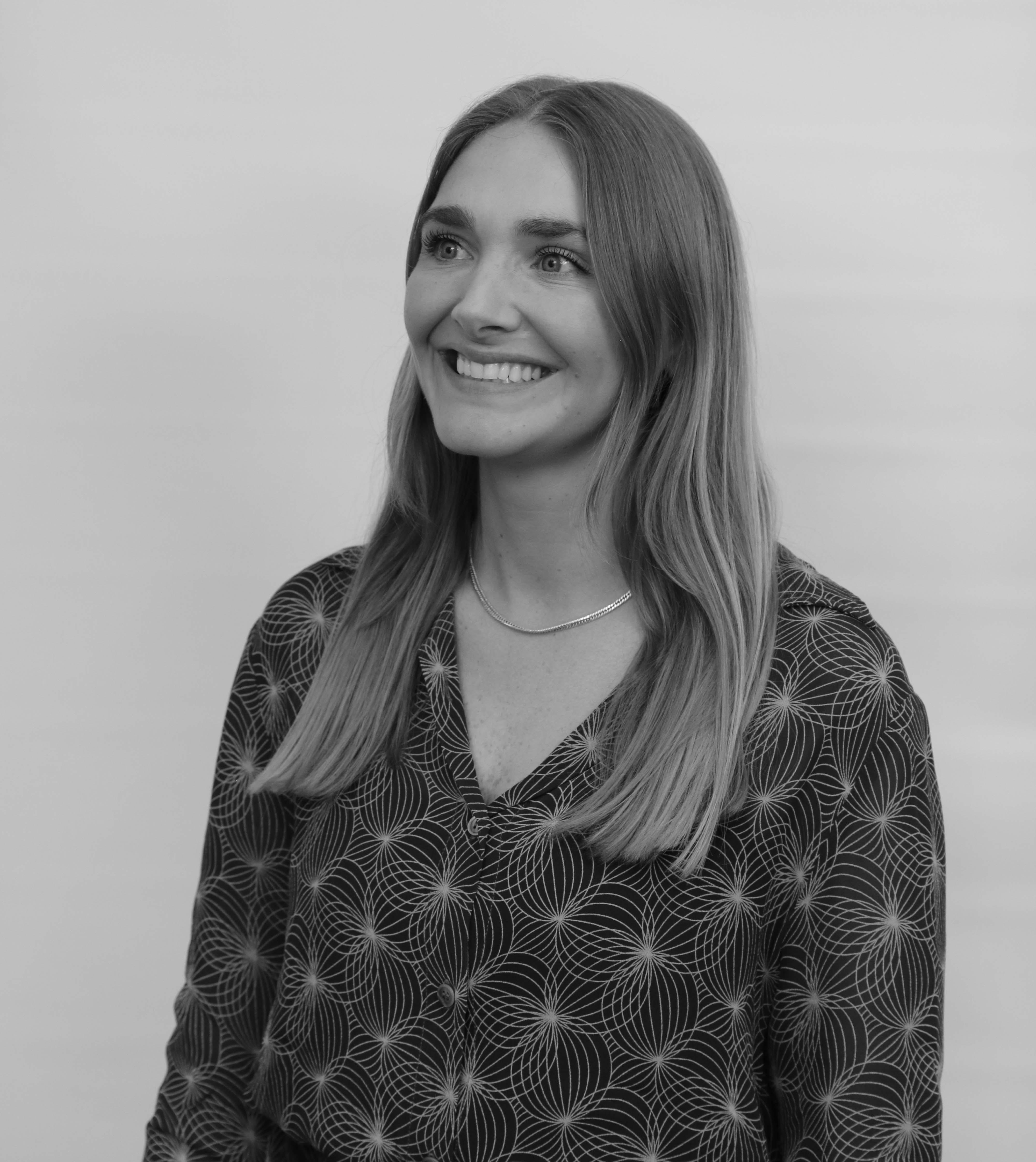
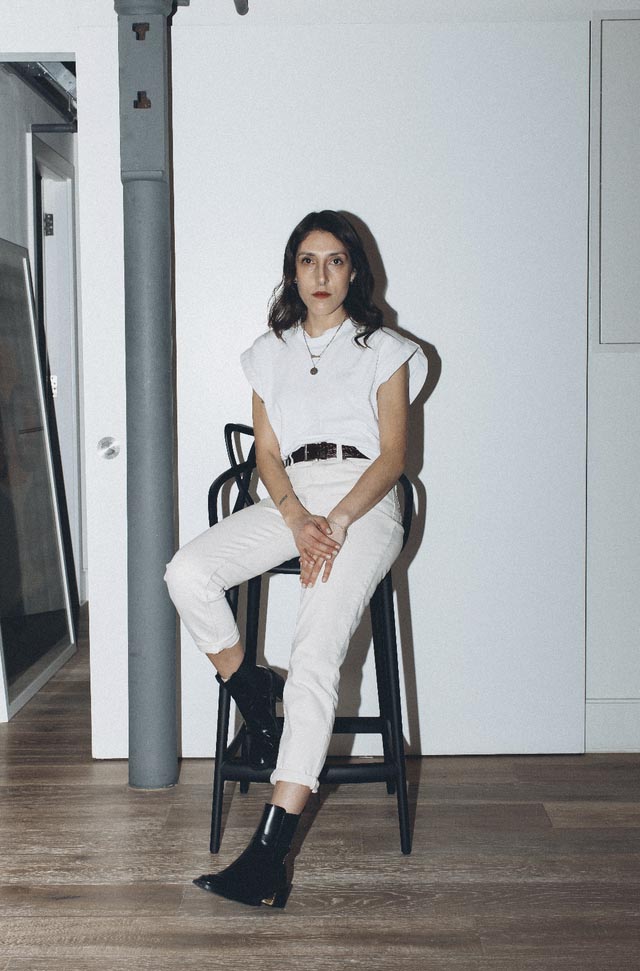
From Melbourne to Manchester, Barcelona to London, Sara has built an international design practice on one simple principle: technology can speed up the process, but it can't replace the person standing in the room.
There is a particular irony in an industry increasingly obsessed with doing everything faster. The better the design, the less you tend to notice the work behind it.
The perfectly positioned sofa. The material that looks just as good at 8 am as it does at 8 pm. The doorway that's precisely where it needs to be. None of it happens by accident, and certainly not in ten minutes.
Just ask Sara.
An Australian-born interior designer with a portfolio spanning continents, Sara has built a practice that is as unconventional as it is considered. She's part creative director, part technical designer, part project manager, and occasionally the person running out to find an eleventh shade of white because the first ten looked suspiciously yellow.
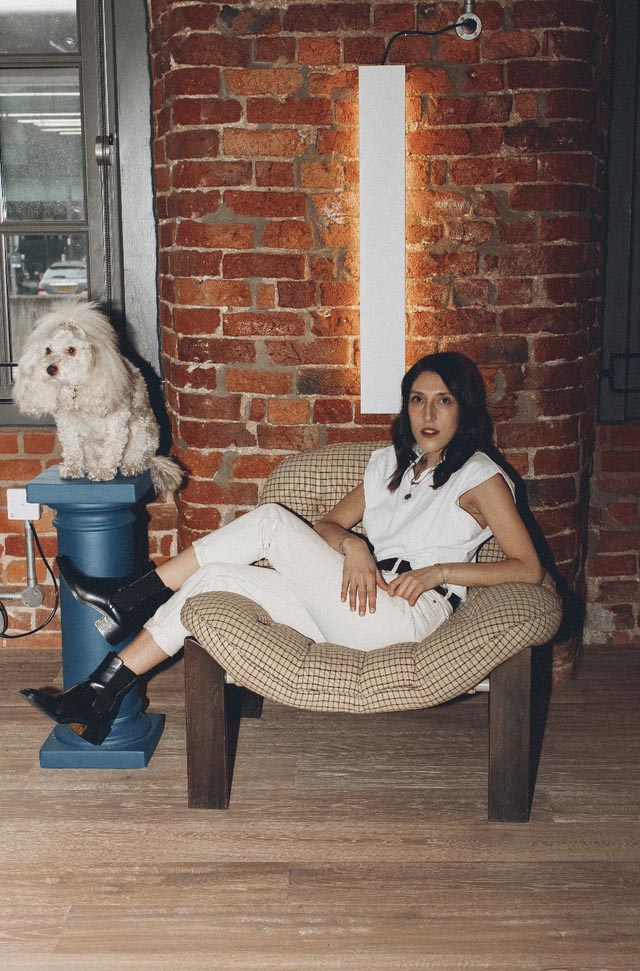
Her philosophy? "Curiously curated, purposefully designed."
And in an era where AI promises to do just about everything, she's making a compelling case for knowing exactly what to hand over, and what to hold onto.
As Sara puts it:
Not every international interior design career begins with a perfectly mapped-out business plan. Some begin with dog clothing.
Born and raised in Melbourne, Sara graduated in interior design and decoration in 2016, building experience across commercial administration, furniture sales and national design roles. With a second degree in fashion design, she was exploring the possibility of designing clothing for dogs when she and her partner relocated to Manchester in 2020.
Then, rather inconveniently, a global pandemic arrived.
With her next career move uncertain, a neighbour suggested she style their photography studio. One project led to a referral, which led to a hotel commission, which eventually opened the door to remote clients across the UK and Europe.
By 2022, Sara had relocated to Barcelona. A year later, a London client invited her to oversee an entire residential build, bringing her back to the UK to manage the project firsthand.
Today, her work spans everything from a London holiday home to a 22-room permanent residence in Saudi Arabia, currently under construction, both for a family she has worked closely with for several years.
Rather than juggling a revolving door of commissions, Sara has deliberately chosen to concentrate on one major project at a time.
It's an approach that gives her the freedom to travel, source internationally and immerse herself in the details, without sacrificing the balance that makes the work sustainable.
Sometimes, doing less really does mean doing more.
Behind Sara's projects is a surprisingly lean operation.
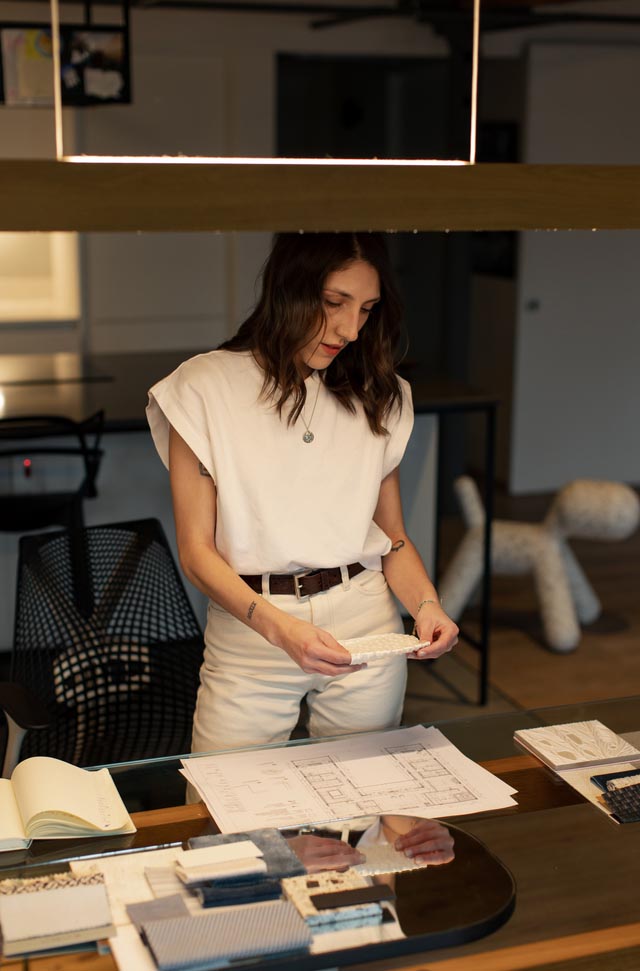
And she means it.
From the first consultation and material selections to concept renders, technical drawings, site visits and trade installations, Sara oversees almost every part of the process herself.
It's not necessarily the most conventional route to running an international design practice, but it gives her something she values enormously: complete understanding of the project.
If a contractor calls with a technical question, she knows the answer. If a client needs to revisit a particular finish, she knows why it was chosen. There is no creative vision being passed between departments, gradually losing something in translation.
For Sara, designing a home isn't about imposing a recognizable house style. It's about understanding the people who will actually live there.
As she puts it, designers should be "an extension of you and your needs."
That means investigating the less glamorous details of everyday life. How someone moves through a space. What they reach for first thing in the morning. Which routines should be effortless, and where a room needs to work a little harder.
"Everything can be beautiful; it just must have a purpose and a place."
A beautiful interior is lovely. A beautiful interior that makes your life easier? Even better.
Sara isn't particularly interested in the idea that technology and traditional craftsmanship must be opposing forces.
In fact, she's been actively embracing new tools for years.
In 2022, she made a significant investment in learning 3D rendering, allowing her to produce her own 4K visualizations rather than outsourcing them. That single shift helped her secure multiple high-end projects and gave her much greater control over how designs were developed and communicated.
Her philosophy is straightforward:
Today, she uses ChatGPT to support writing and proofreading, alongside AI-assisted rendering for quick design updates and creating furniture models for her SketchUp workflow.
There are, however, some fairly important limitations.
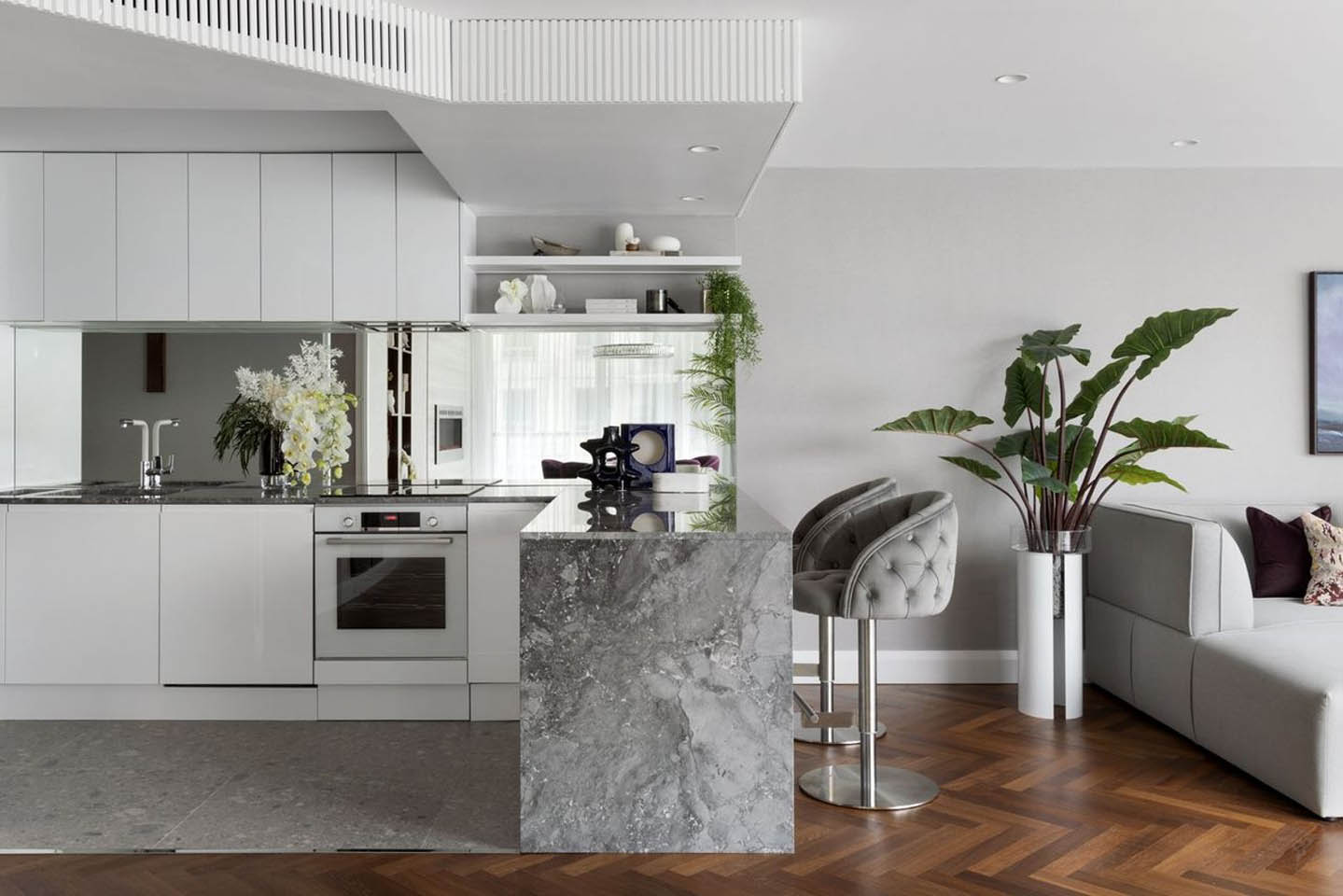
It can't walk through a property and experience how its proportions feel, or fully anticipate the practical needs of a client with limited mobility.
And it certainly can't deal with the moment an undocumented structural column appears on site, throwing the carefully planned electrical layout into question.
These are the moments when years of experience become considerably more valuable than a convincing render.
Sara is particularly protective of technical drawings, which she continues to develop herself. It's during this process that she identifies measurement discrepancies, structural limitations and the small details that can become expensive problems if overlooked.
She sees AI as an opportunity to remove repetitive tasks, not the judgement behind the design itself.
Accounting? Happily automated.
Tender management? Yes, please.
Client relationships, material sourcing and technical decisions? Those are staying firmly on her desk.
Or, as Sara puts it rather neatly, "Humans know humans."
And that's one area where the algorithms still have some catching up to do.
For all the technical considerations, there's still something wonderfully instinctive about Sara's creative process.
Every project starts with a conversation, followed closely by a floor plan.
Before selecting finishes or falling in love with a particular piece of furniture, she studies scale, proportions and spatial relationships, looking for the natural focal point around which the room can develop.
Then comes the site visit.
Sara describes standing in an empty room and seeing furniture and finishes moving around in her imagination, almost like a scene from Harry Potter.
It's a rather good description of what experienced designers do almost unconsciously: translate an empty space into a finished environment before a single sample has been ordered.
From there, the materials begin to tell the story.
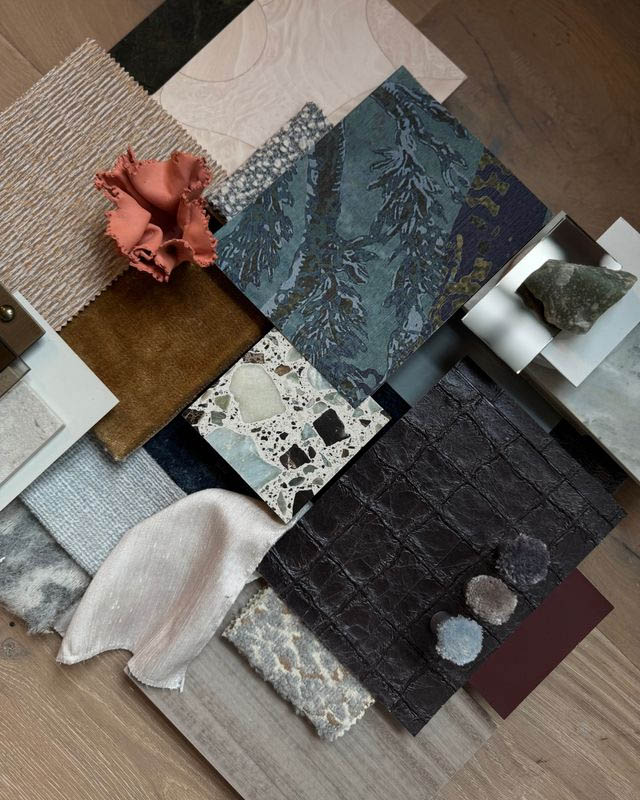
Velvet against linen. Polished marble beside matte timber. Glossy surfaces offset by something woven or tactile.
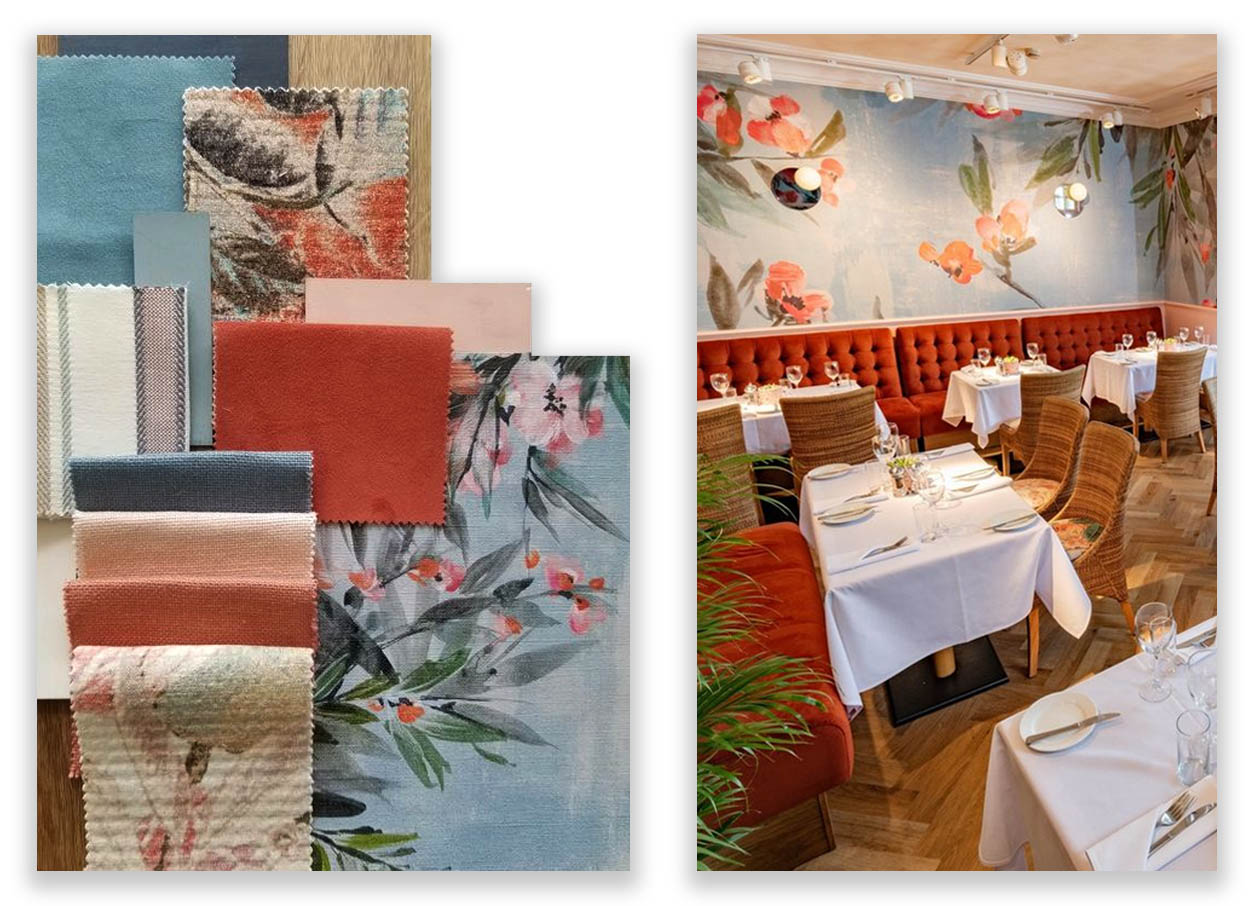
For Sara, material selection is much like baking a cake. Each layer needs to contribute something, and getting the balance right is what makes the finished composition work.
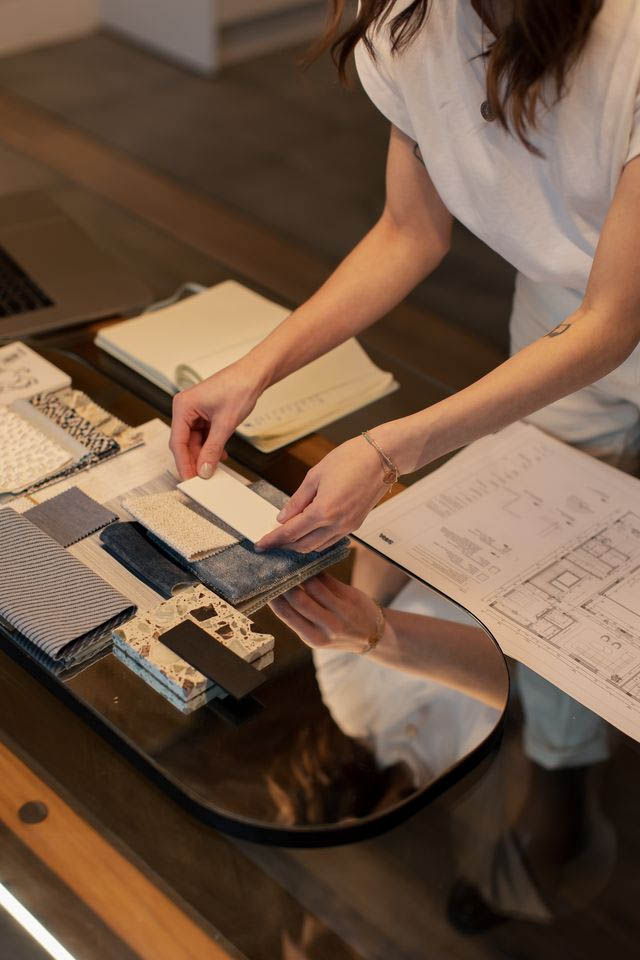
The goal is to keep the eye interested without overwhelming it.
She's equally selective about where inspiration comes from.
Rather than chasing familiar trends or reproducing something that's already circulating endlessly online, she gravitates towards craftsmanship, timeless forms and practical materials.
And while she appreciates beautiful work by other designers, it's often the clients who challenge her existing ideas that produce the most interesting results.
After all, a room doesn't need the most expensive finishes or the most elaborate detailing to feel luxurious.
"It doesn't have to be overly designed or in the best finishes either, it just needs to work for that person's needs."
The destination, she admits, isn't always obvious at the beginning.
Which is arguably half the fun.
Of course, imagining a material combination is one thing. Getting a client to see precisely what you see is another.
Sara's presentations combine inspirational imagery, detailed material selections and high-resolution 3D renders, creating a clearer picture of how the finished interior will come together.
And that's where MattoBoard enters the process.
An early adopter of the platform, Sara has been using MattoBoard since its beginnings and has watched it develop into a regular part of her design toolkit.
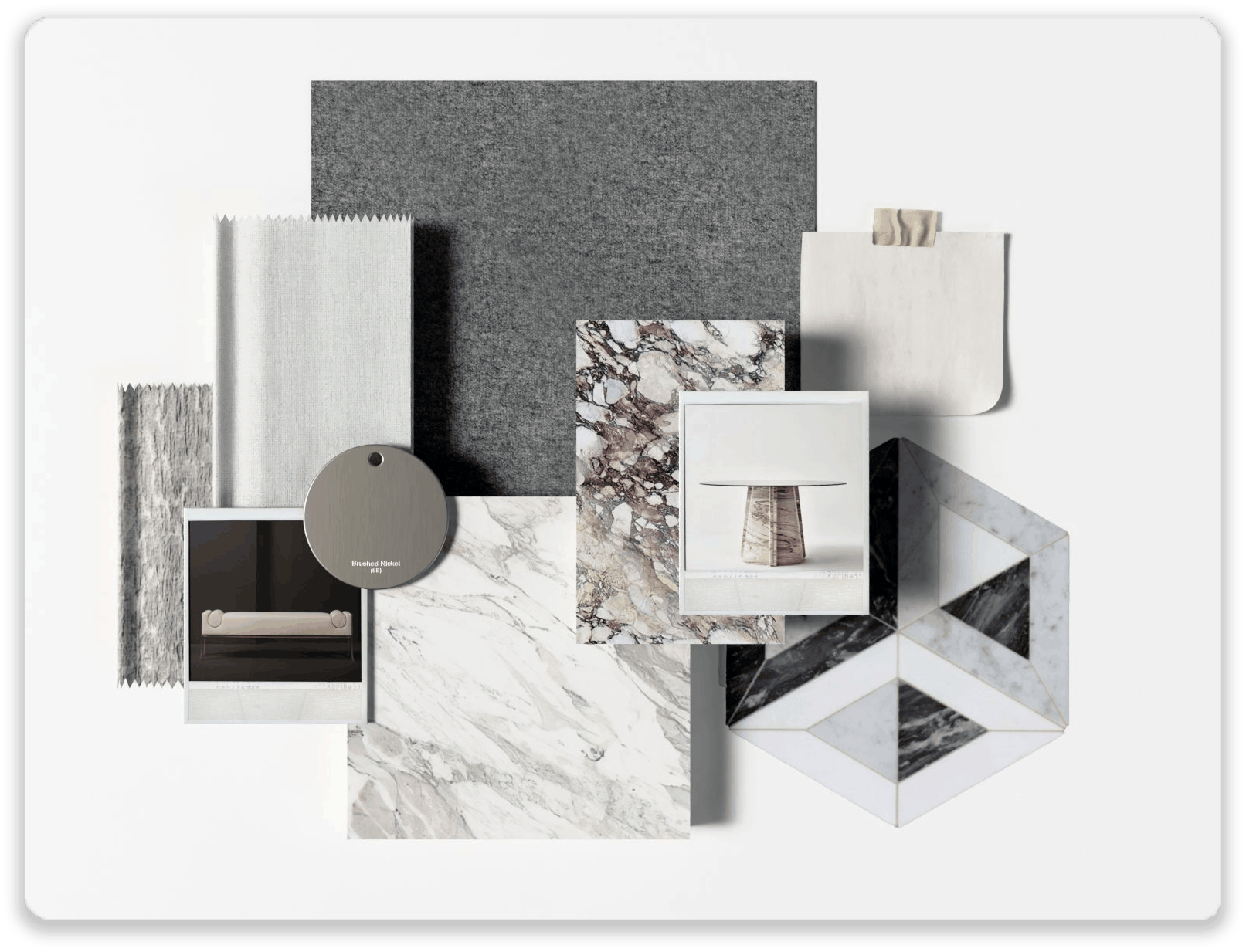
For a designer working across countries, that immediacy is particularly valuable.
Rather than relying entirely on physical samples, Sara can build 3D material compositions that show clients how finishes, colors and textures interact, long before everything arrives on site.
It's especially useful for her remote e-design clients, who can take an initial material direction and source suitable products at their own pace.
But beyond making presentations more efficient, it's the opportunity for discovery that Sara finds particularly exciting.
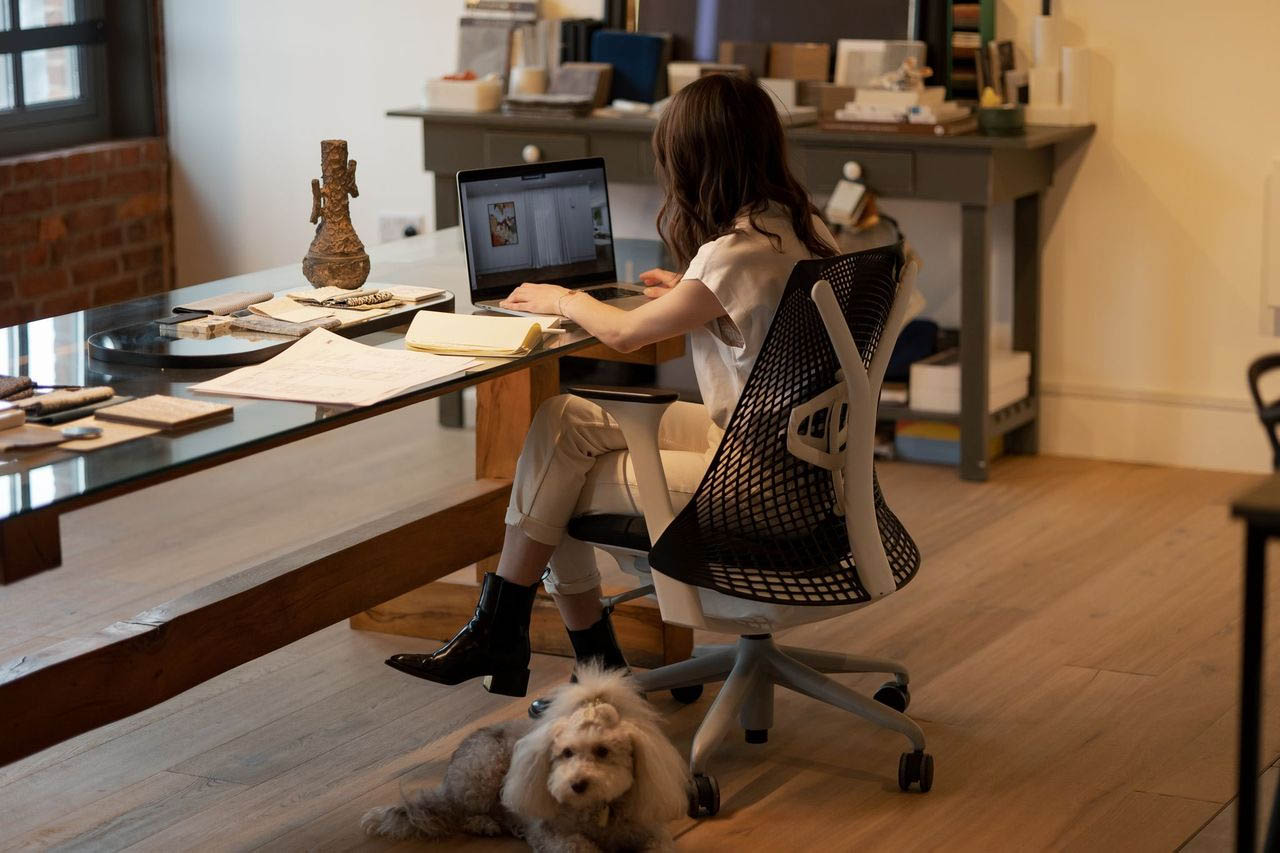
A finish Sara might not have encountered through traditional sourcing can suddenly become the missing piece of a scheme.
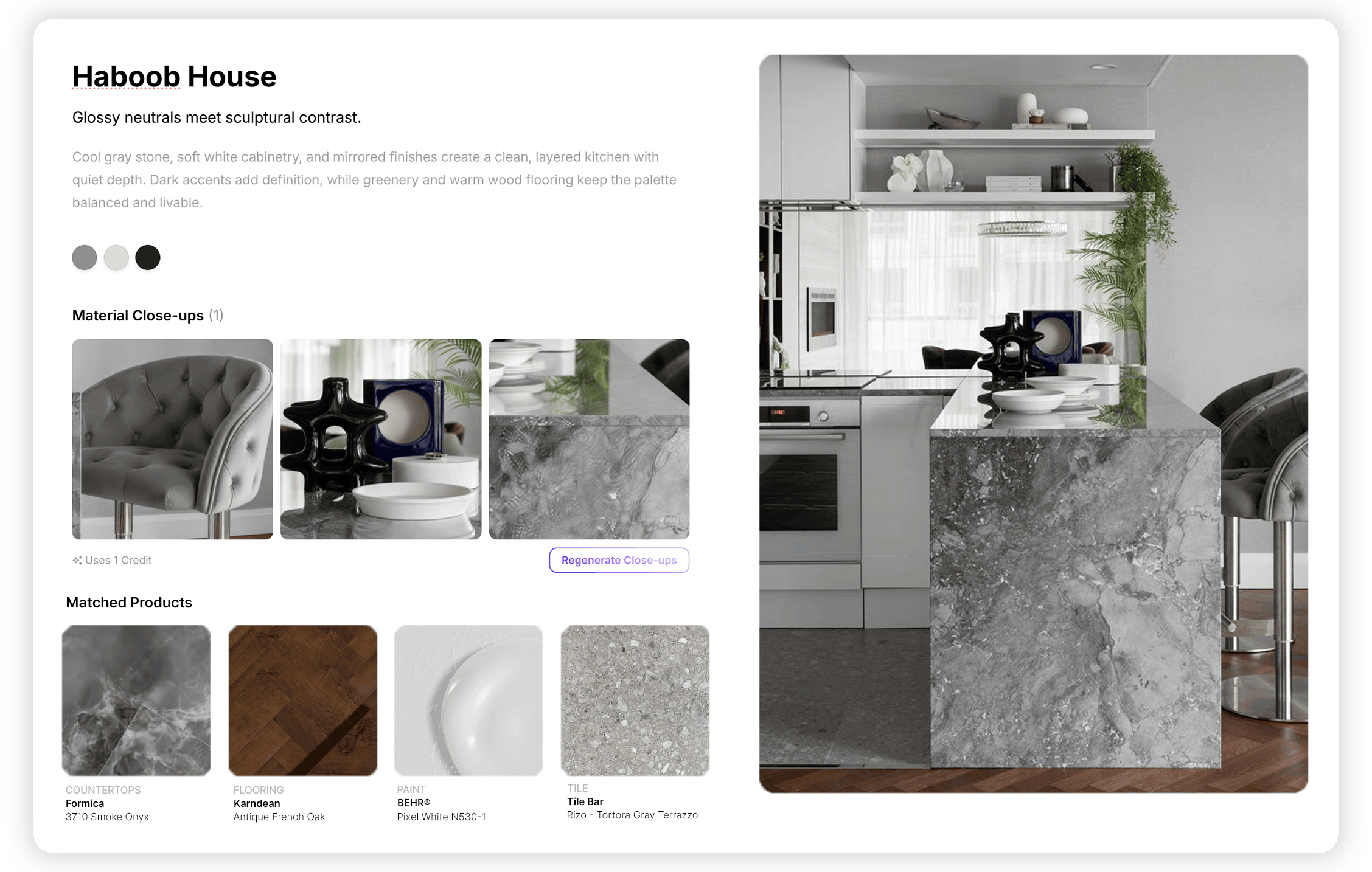
And importantly, it helps her explore those possibilities without surrendering creative control.
Because the value of a good design tool isn't that it makes every decision for you. It's that it gives you more freedom to make better ones.
Ask Sara what the interior design industry might look like in five years, and she's surprisingly optimistic about the rise of smaller, independent practices.
She imagines a future where many of the production tasks traditionally handled by junior designers or outsourced specialists can be supported by AI, allowing more designers to operate independently without needing an entire team behind them.
For someone who has already built a career around doing precisely that, it's not difficult to see the appeal.
But there's one part of the profession she hopes technology never changes.
The relationships.
Between designers and clients. Between craftspeople and manufacturers. Between the person imagining a space and the people bringing it into existence.
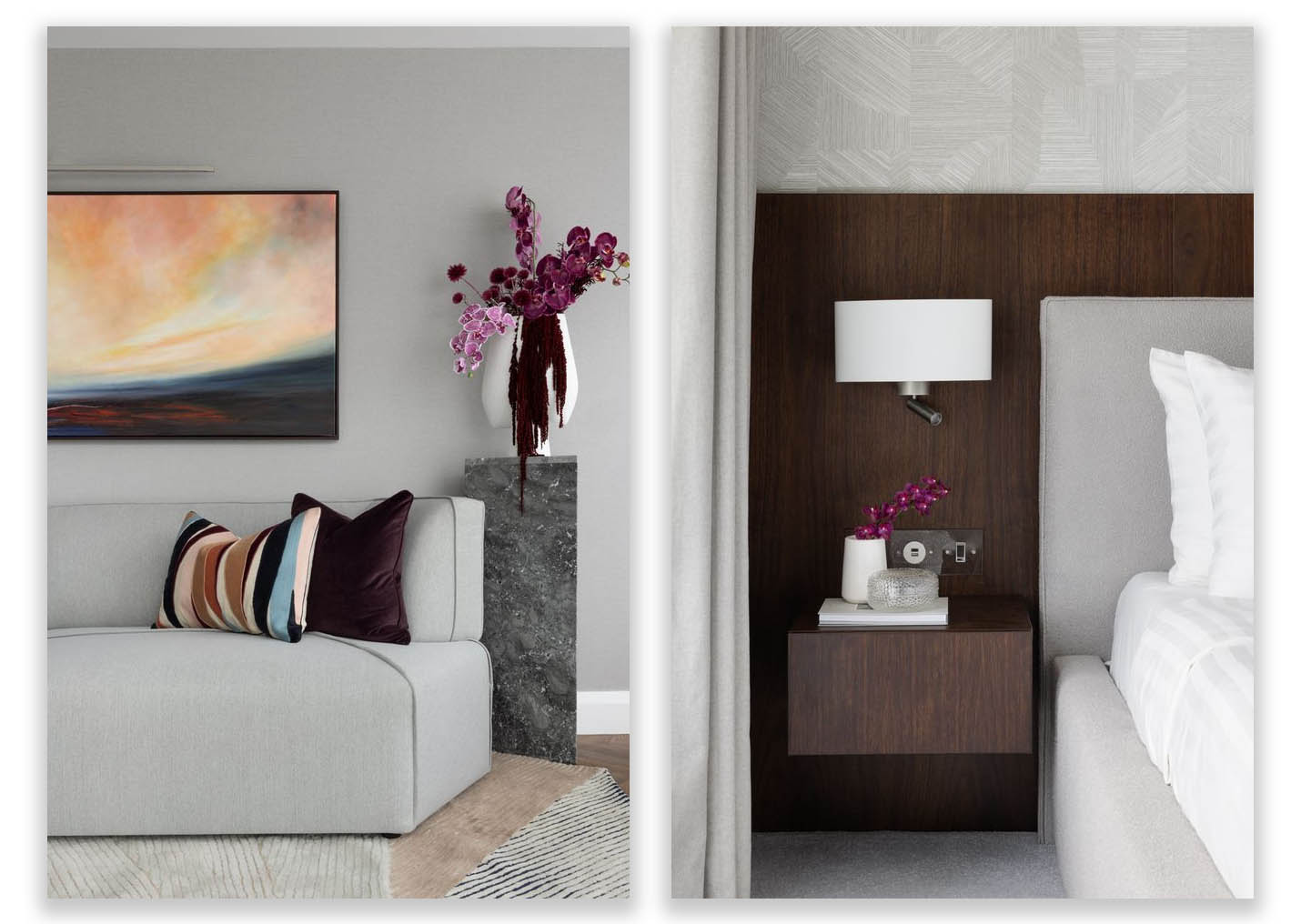
Because for all the advances in rendering, automation and AI-generated imagery, a home remains an intensely human thing.
It needs to respond to the person who lives in it, not simply look convincing on a screen.
And that's perhaps the most interesting thing about Sara's approach. She's not choosing between experience and innovation. She's using one to make better use of the other.
The software might keep getting smarter. But good design still takes someone who knows what they're looking at.
And sometimes, ten years of experience.
Contact Sara: hello@saraeski.design
Start designing for free at Mattoboard.com