There's a certain irony in the way we approach our homes today.
We save hundreds of interiors on Pinterest, spend hours debating the perfect shade of beige, and convince ourselves that the right coffee table might finally bring some order to our lives.
And yet, somewhere between the inspiration boards and the endless decisions, we occasionally forget to ask the most important question:
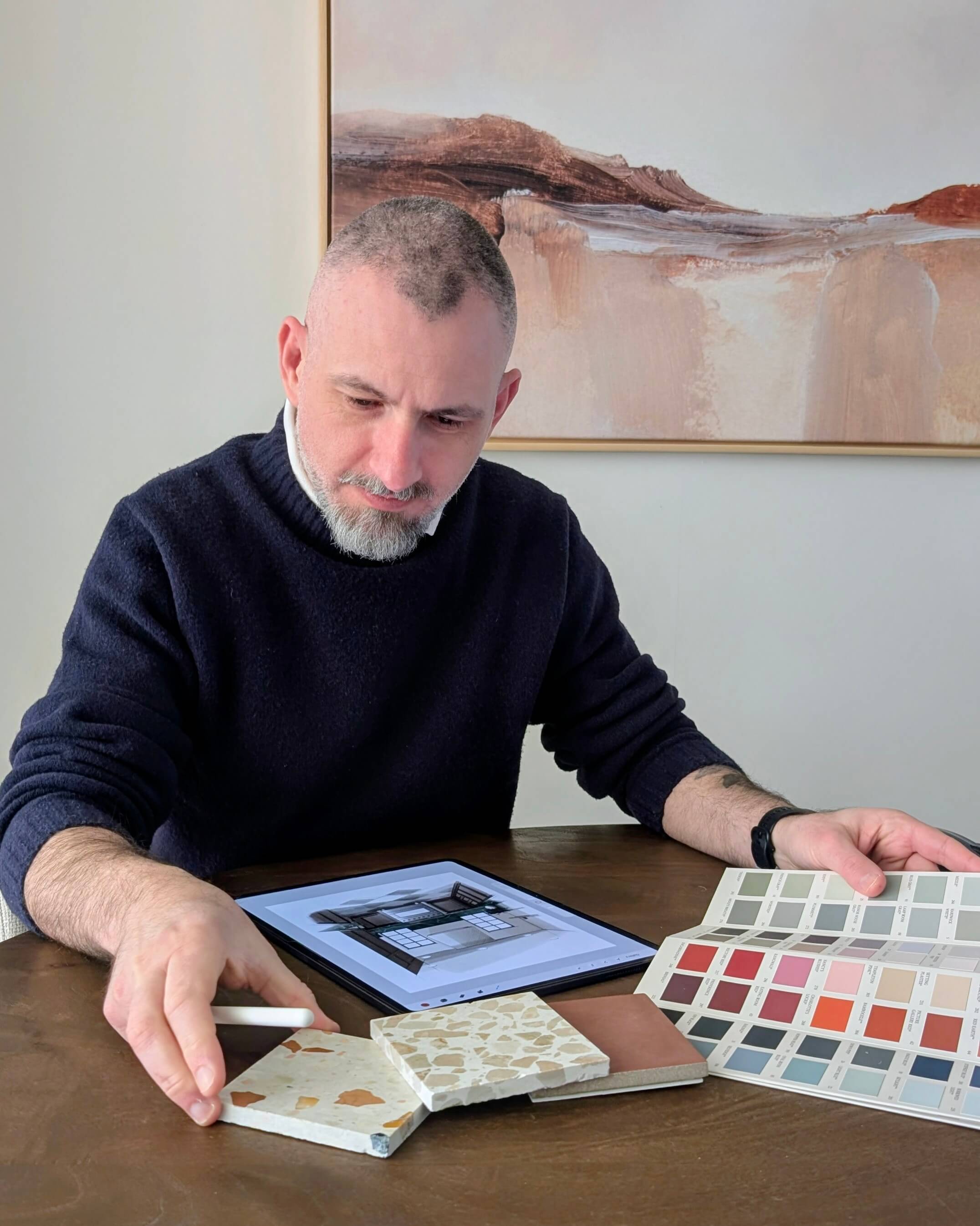
For Luca Bagnaschino, founder of Studio Bagnaschino, that question comes before everything else.
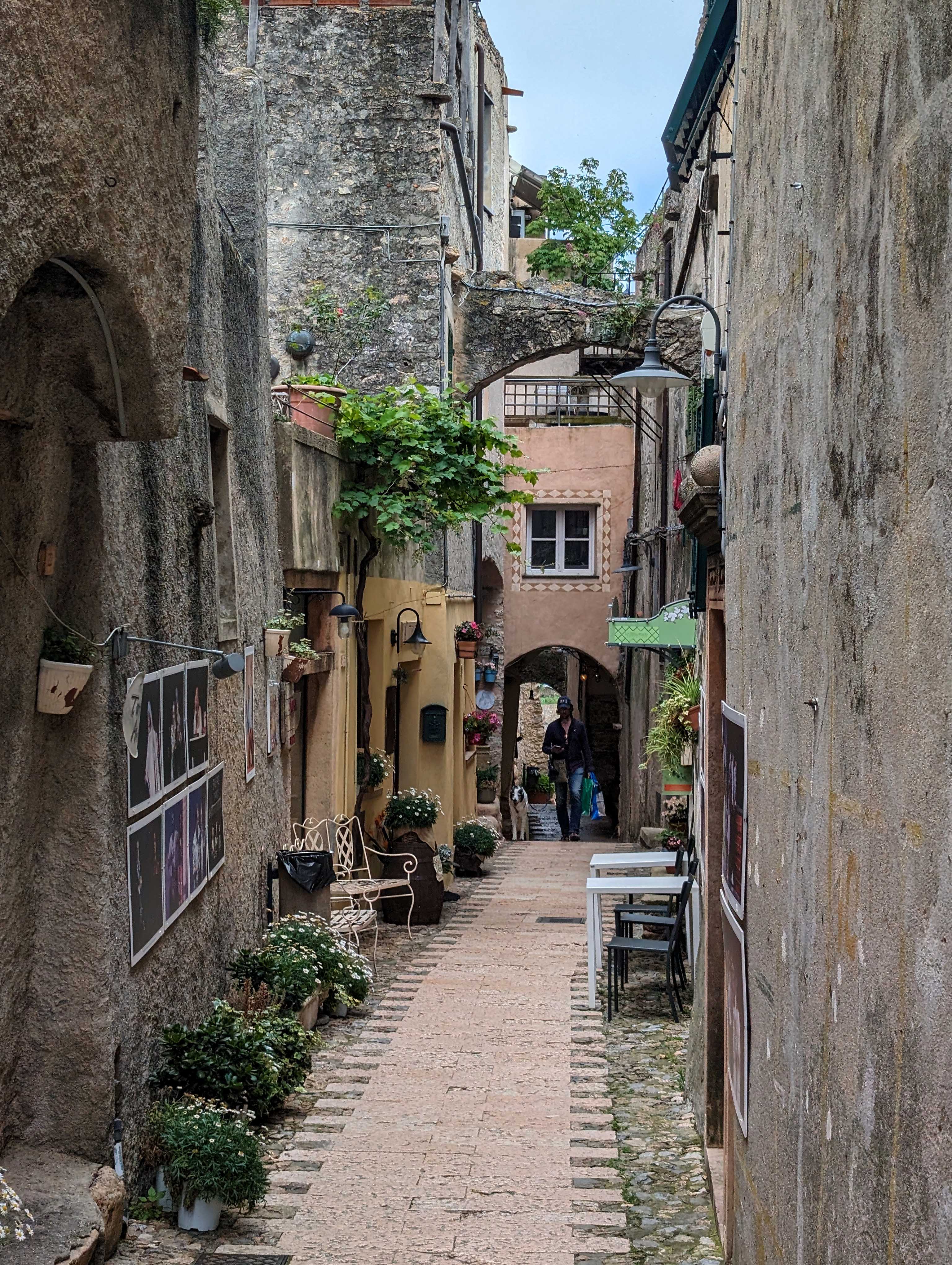
Raised in a small coastal village in Italy, Luca grew up with a rather different relationship to time. One where afternoons stretched lazily into evenings, the streets were warmed by the Mediterranean sun, and doing absolutely nothing was considered something of an art form.
Today, that philosophy sits at the heart of his design practice, where nostalgia meets contemporary modernism, materials tell stories, and a home is considered successful not simply when it photographs beautifully, but when it feels wonderful to live in.
We caught up with Luca to talk about swapping a 20-year marketing career for interior design, why matching is overrated, and how digital tools are helping him work smarter without taking the thinking out of design.
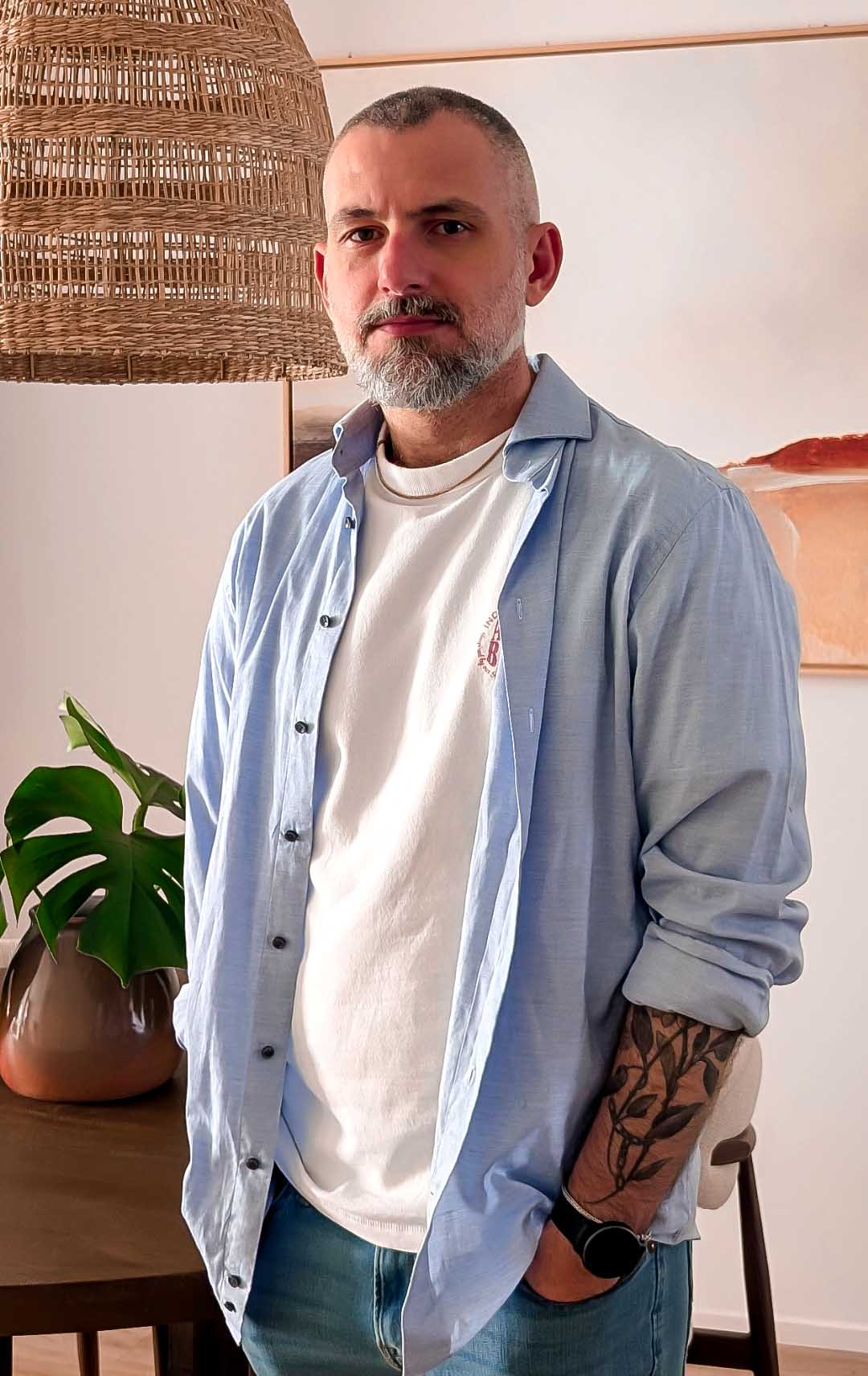
Not every designer grows up knowing they'll become one.
For Luca, the journey into interiors began almost accidentally, with a renovation project that turned into something of a revelation.
After nearly two decades working in marketing, he found himself increasingly drawn to the creative satisfaction of transforming spaces. First came his own home, then another, and then another.
Still, interior design remained an interest rather than an obvious career path.
That changed when Luca began reconsidering both his professional direction and the interiors of his own apartment. He started researching design styles, collecting books and watching tutorials, discovering an enthusiasm for learning that his marketing career no longer inspired.
Sometimes, the clearest career advice comes from noticing what you can't stop thinking about.
Luca enrolled at The Interior Design Institute, completed his diploma in nine months, and followed it with advanced training in SketchUp and kitchen and bathroom design.
Studio Bagnaschino was born soon after.
And while his career took a new direction, the philosophy behind his work had been quietly developing for decades.
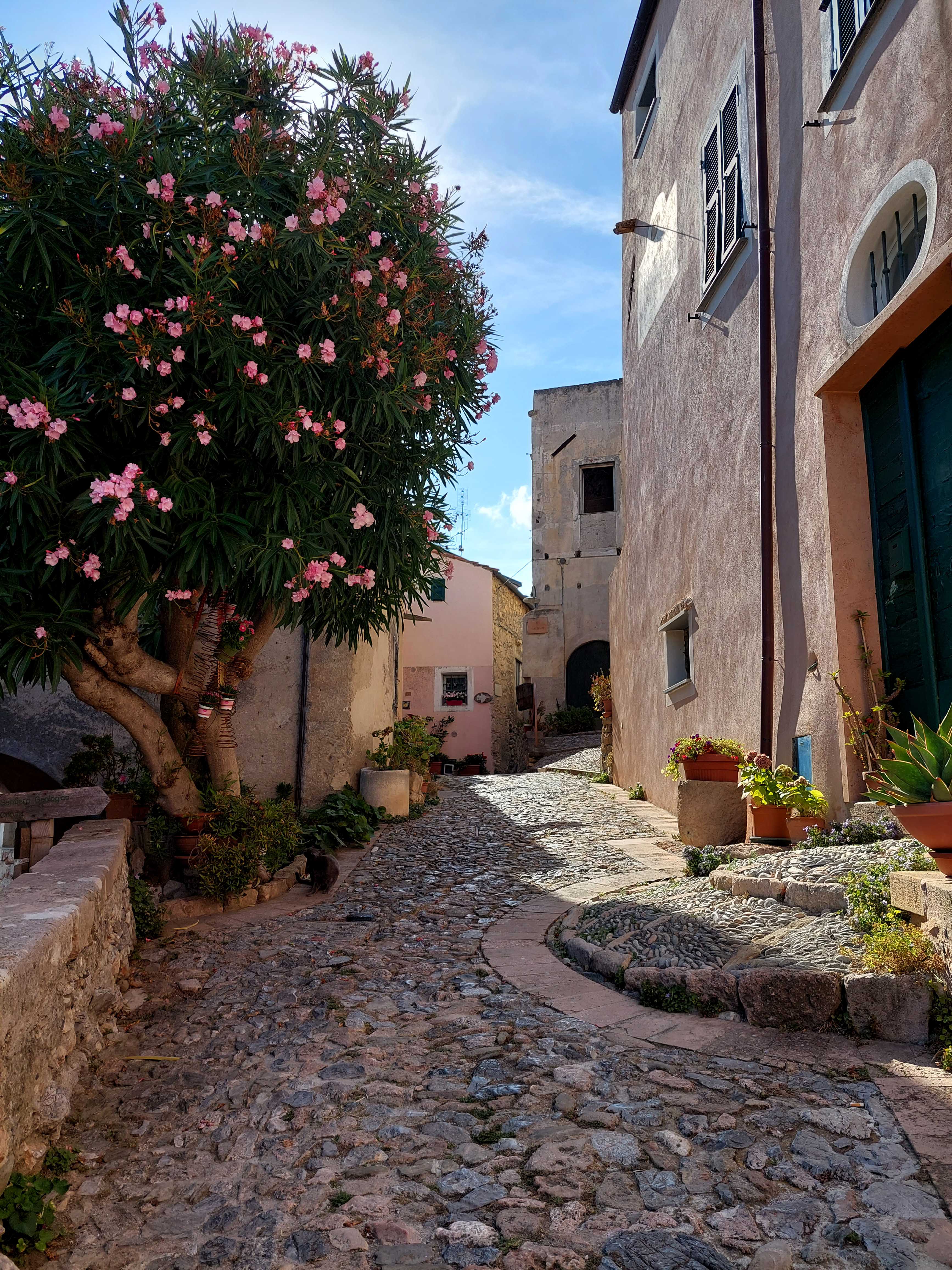
Long before slow living became a lifestyle trend, Luca was living it.
He grew up in an old Italian coastal village, surrounded by narrow stone streets, distant conversations drifting through open windows and the familiar scent of food and sea air.
"Slow living isn't a trend but a way of life," he explains.
His childhood memories are filled with the Italian concept of dolce far niente, the sweetness of doing nothing.
It's a lovely idea. Particularly in a world that seems determined to make every waking moment productive.
But for Luca, slow living isn't simply about romanticising the past or filling a room with linen upholstery and olive branches.
It's about designing spaces that allow people to feel comfortable, balanced and connected to their everyday lives.
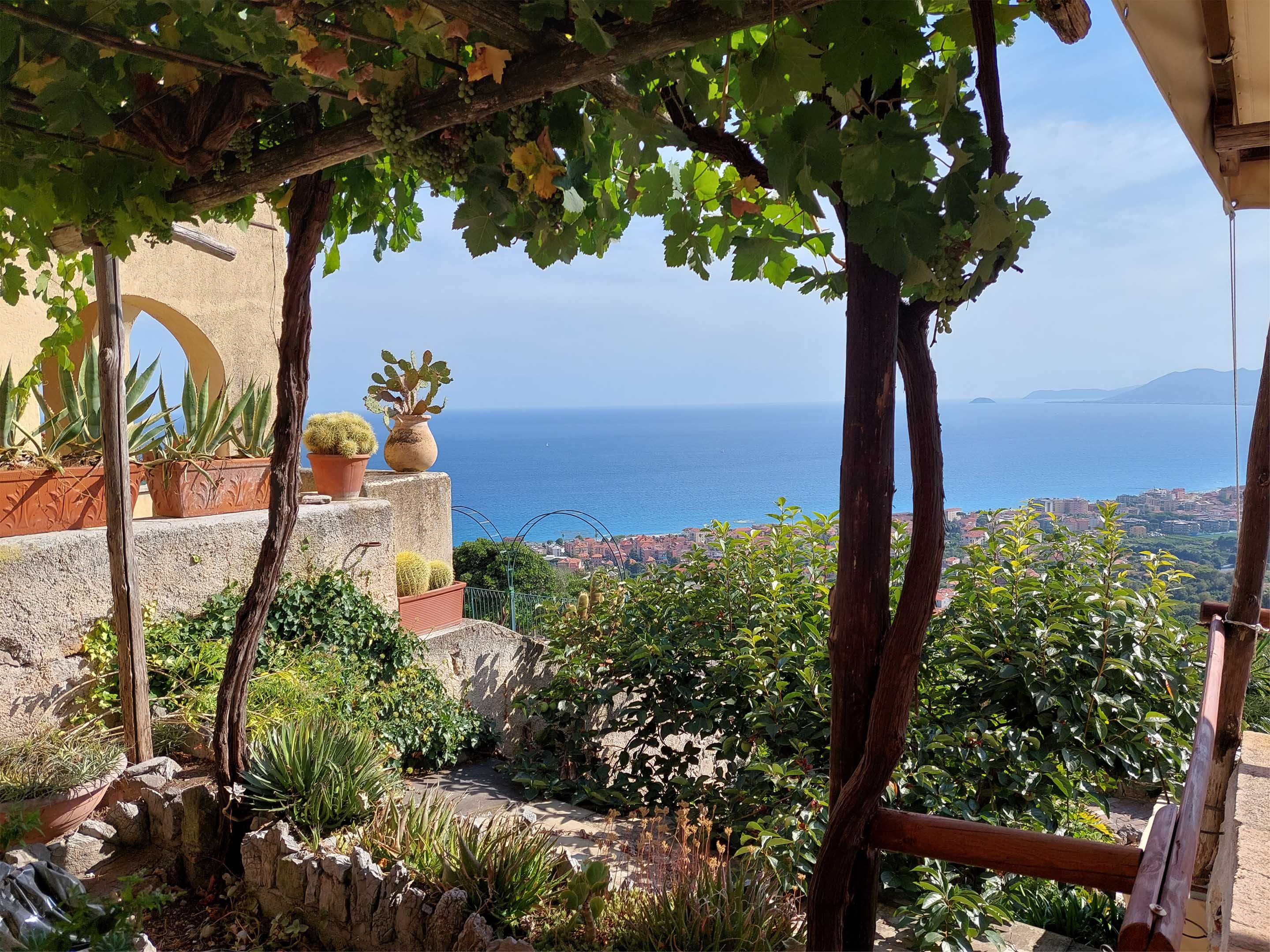
It's an important distinction.
A beautiful home might make a good first impression. A thoughtfully designed one makes the ordinary Tuesday afternoon a little better.
And sometimes, that's the greater luxury.
Good design borrows from the past. Great design knows what to leave behind.
While Luca's philosophy is rooted in simplicity and wellbeing, his interiors are anything but predictable.
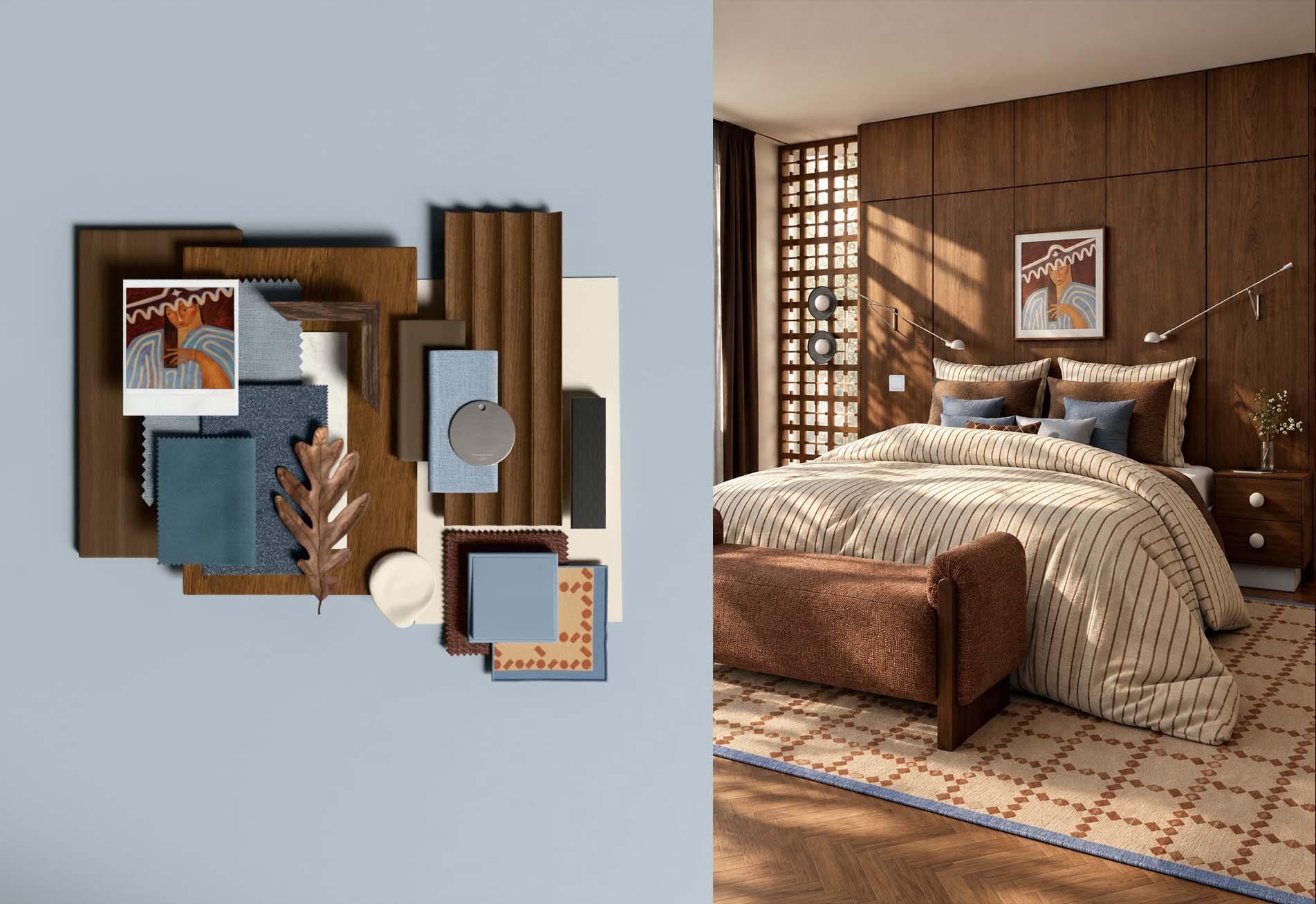
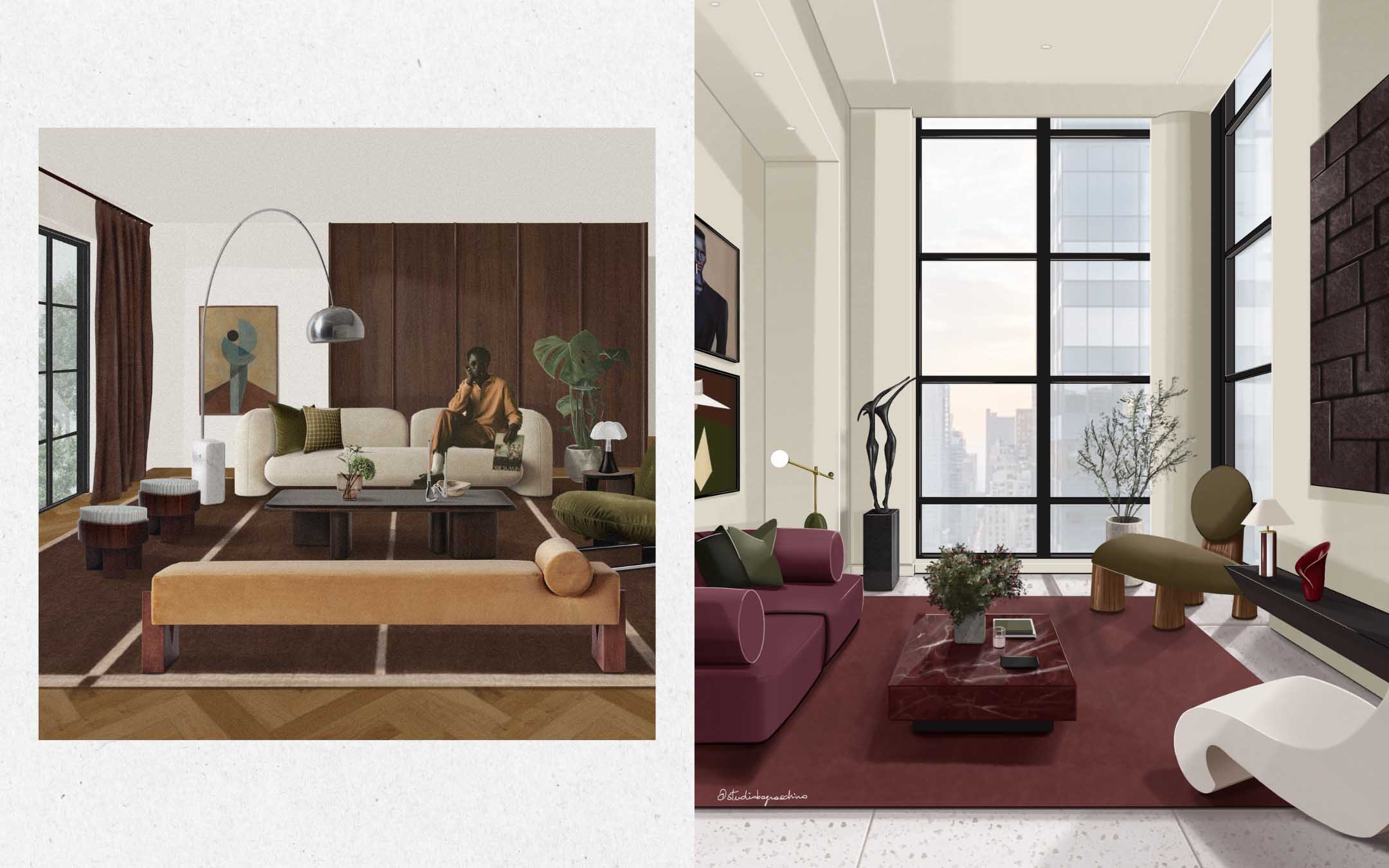
His Modernist Play concept takes inspiration from the clean lines, geometric forms and warm palettes of 1960s and 1970s modernism, then gives them a contemporary twist.
The references are personal.
Although born in the early 1980s, Luca remembers growing up surrounded by interiors that still carried the unmistakable influence of previous decades.
There was his grandmother's house, largely unchanged since the 1960s. His mother's geometric glass ashtray, a decidedly 1970s accessory. And the sleek metallic chairs in the neighbourhood bar.
Objects that might have seemed perfectly ordinary at the time have since become part of his creative vocabulary.
"Clean lines, geometric shapes, warm colors and the atmosphere they create have always fascinated me," he says.
But don't expect a period-perfect recreation.
Luca is far more interested in reinterpreting those references, combining the warmth and familiarity of modernism with unexpected colors, playful forms and contemporary materials.
It's nostalgia with a little creative licence.
The result is an approach that feels familiar without feeling frozen in time. A reminder that looking backwards can sometimes be the best way to create something new.
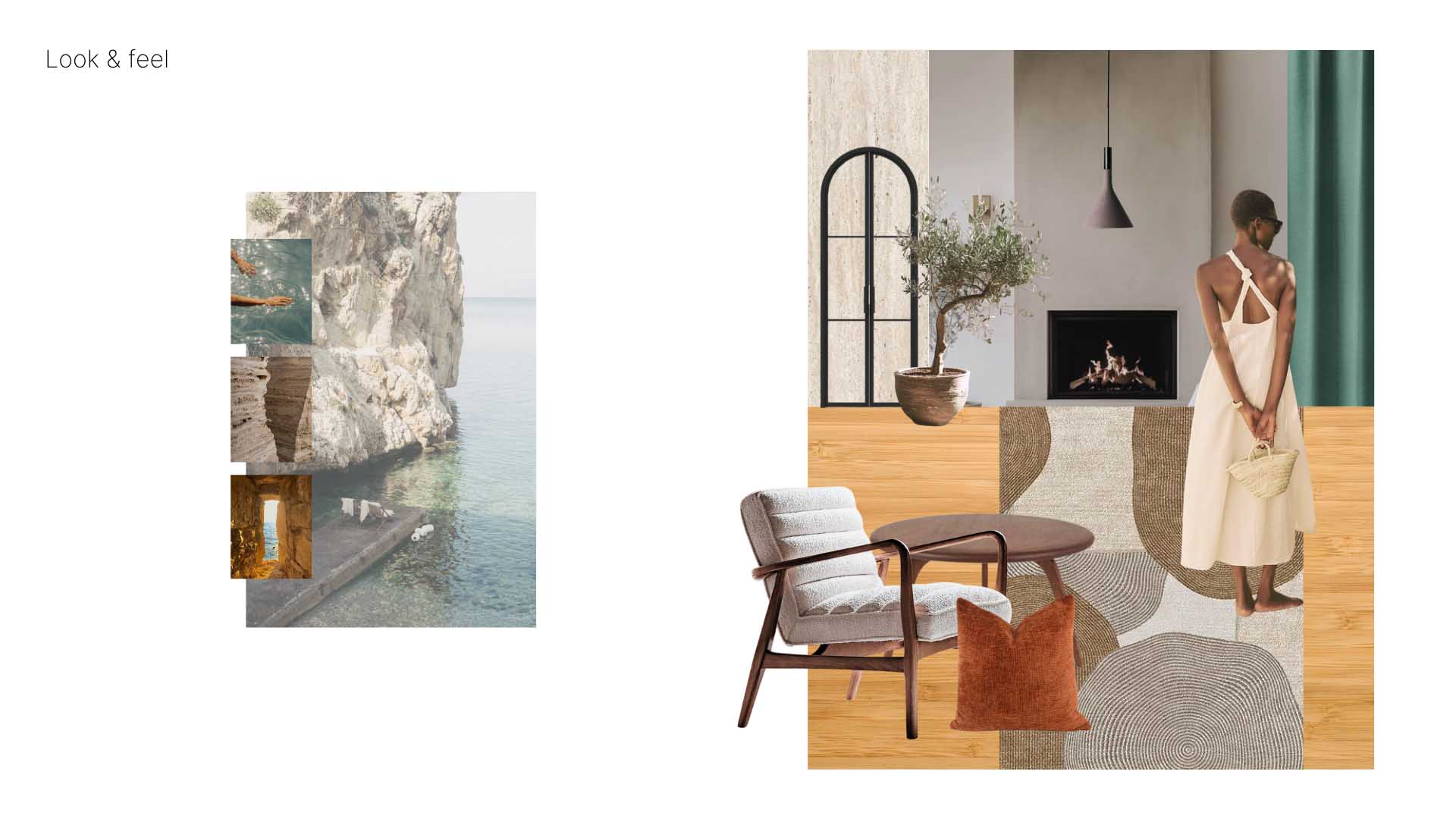
Somewhere along the way, we've collectively decided that a cohesive interior is one where everything matches.
The same wood finish. The same shade of brown. The same bouclé fabric making its third appearance in a single room.
Luca would like to challenge that assumption.
"One misconception I've noticed is that people often equate cohesion with matching," he explains.
It's a question he hears frequently from clients: Does this match the style of my space?
But for Luca, a successful material palette isn't about finding pieces that look as though they came from the same catalogue.
It's about creating relationships between colors, textures, shapes and finishes.
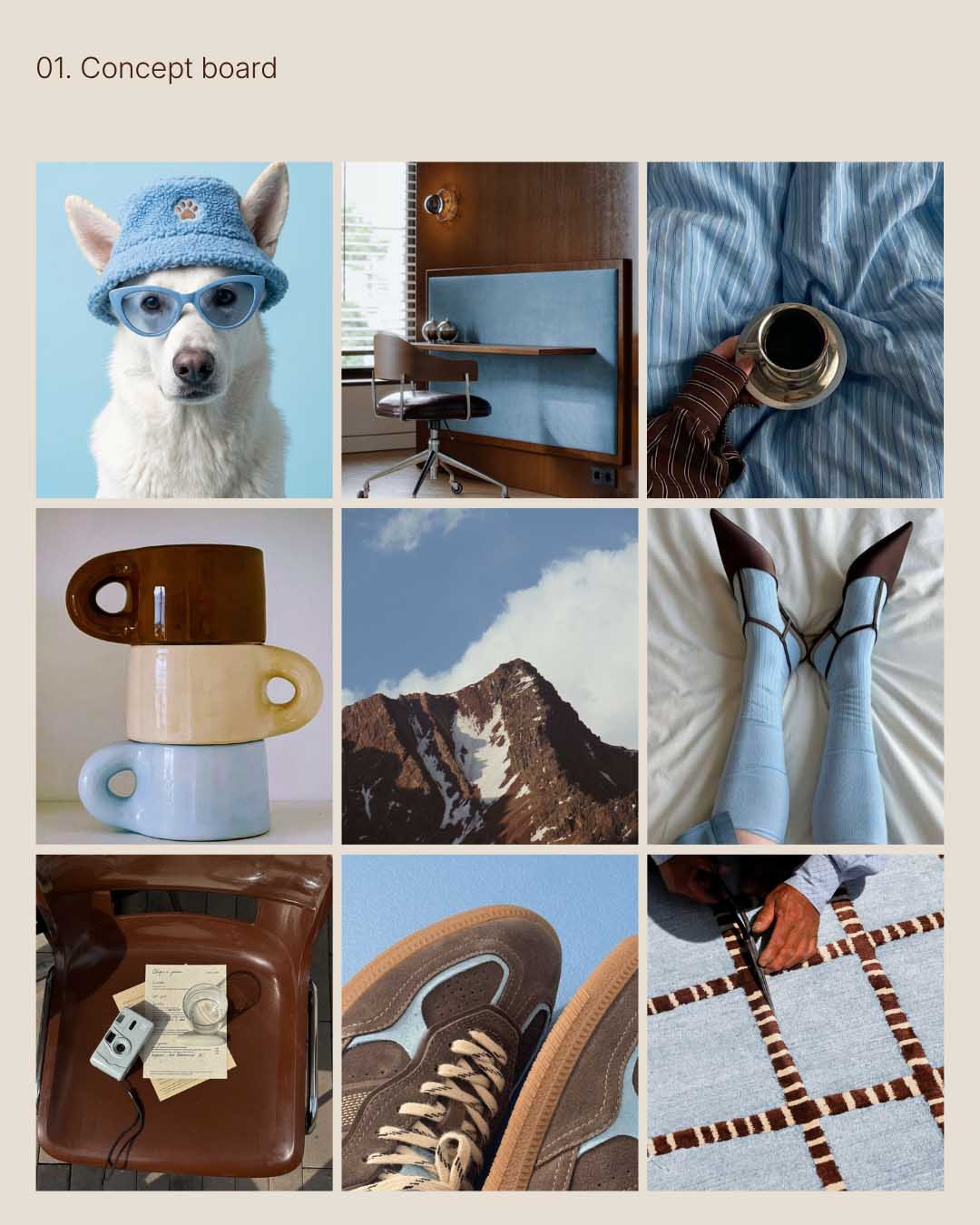
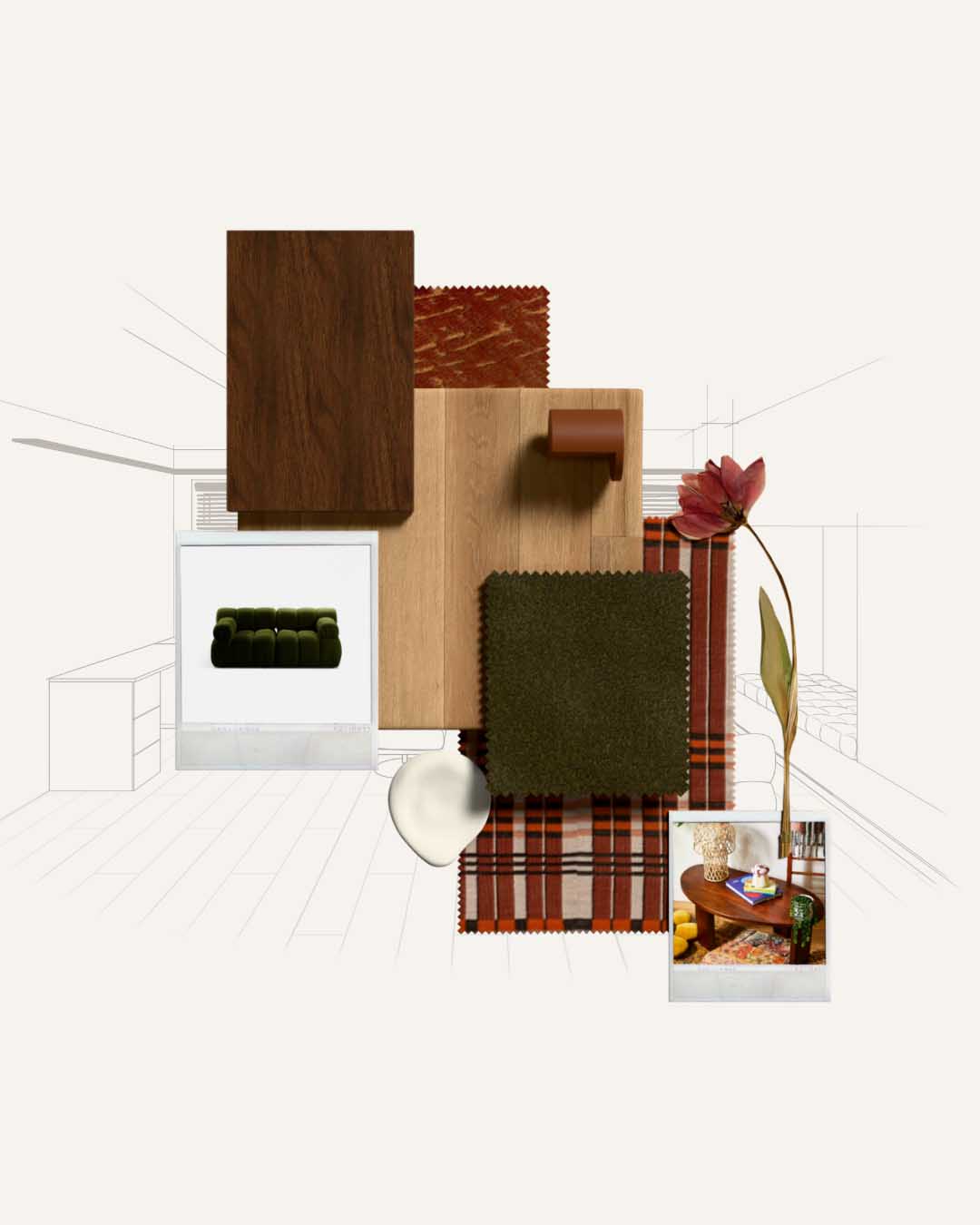
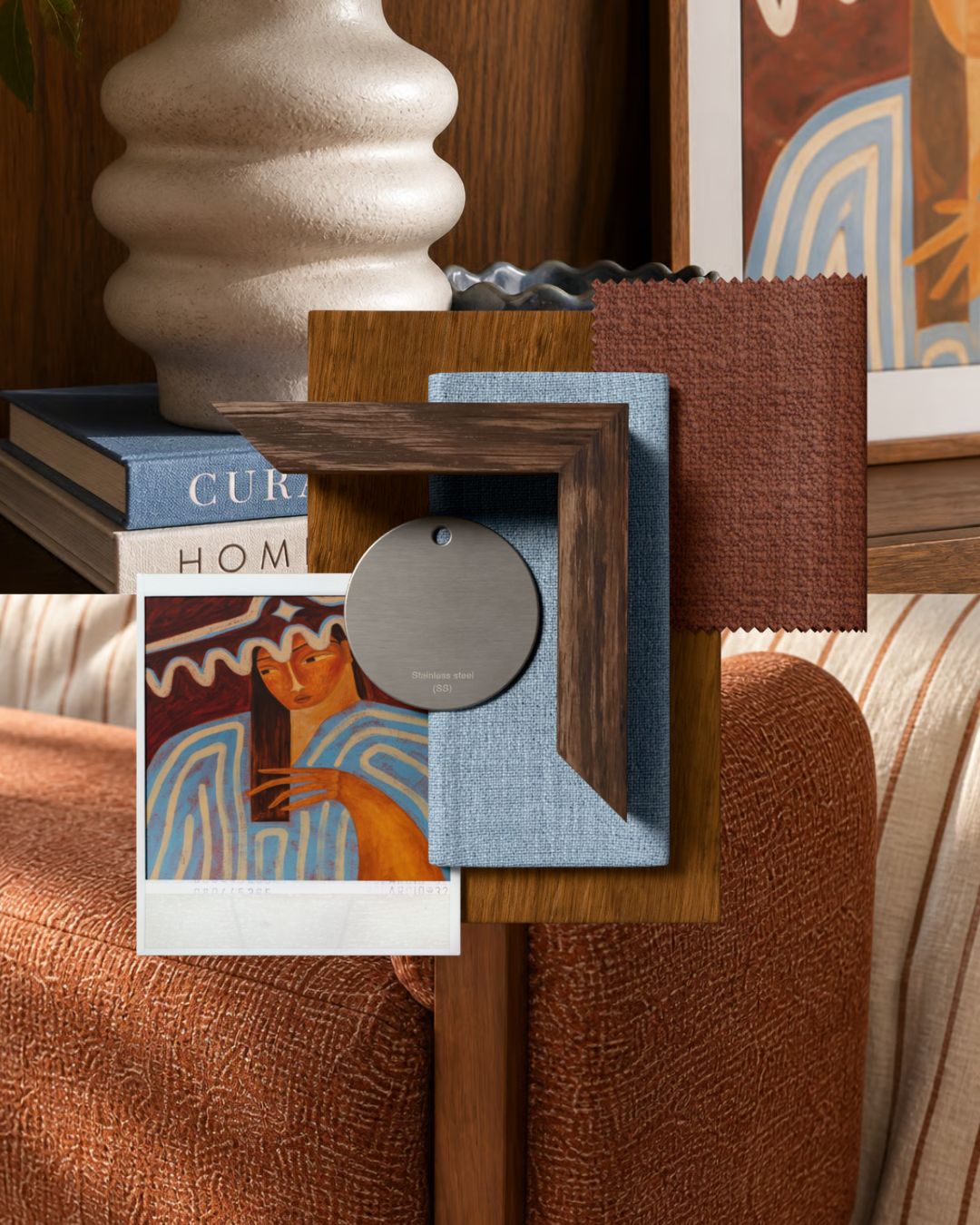
A warm walnut might sit alongside a tactile fabric and an unexpected color. The elements don't necessarily match, but they communicate the same design idea.
It's an approach that leaves room for contrast, personality and the occasional surprise.
Through sketches, collages and material boards, Luca helps clients visualize how seemingly different elements can work together.
The aim isn't to introduce something unexpected simply for the sake of it. It's to demonstrate that cohesion and uniformity are two very different things.
After all, a little disagreement between materials can make for a much more interesting conversation.
Ask ten designers to define timeless design and you'll probably get ten different answers.
Luca isn't entirely convinced the term means much in the first place.
"I'm a little sceptical about the idea of timelessness as an objective category," he admits.
And he has a point.
What feels enduring to one person might feel dated to another. The materials we celebrate today may become tomorrow's design clichés, while yesterday's questionable choices somehow find their way back into fashion.
Just ask the 1970s.
Rather than chasing an elusive idea of timelessness, Luca prefers to focus on whether a design choice has lasting meaning for the person living with it.
That doesn't mean ignoring trends entirely.
He follows the design world, explores new ideas and welcomes influences that resonate with his evolving aesthetic. But inspiration is never an instruction manual.
It's a refreshing perspective in an industry that occasionally seems to reinvent the meaning of good taste every six months.
Perhaps the most enduring interiors aren't the ones that try hardest to look timeless.
They're the ones that feel personal enough to remain relevant long after the trend reports have moved on.
We all know the feeling.
You see an extraordinary interior online. Perfect lighting, beautiful furniture, not a single charging cable in sight.
What you don't see is whether there's enough room to open the dishwasher.
For Luca, these less photogenic considerations are just as important as the aesthetic decisions.
Circulation, clearances and the practical relationships between furniture and architecture all play a fundamental role in his work.
Can someone move comfortably around the room? Is there enough space to open a cabinet? Does the layout make cleaning, tidying and everyday routines easier?
They might not be the details that earn a thousand Instagram saves, but they're the ones that determine how enjoyable a space is to inhabit.
It's perhaps the simplest explanation of good spatial design we've heard.
A home should make everyday life easier, not introduce a new obstacle course between the kitchen and the sofa.
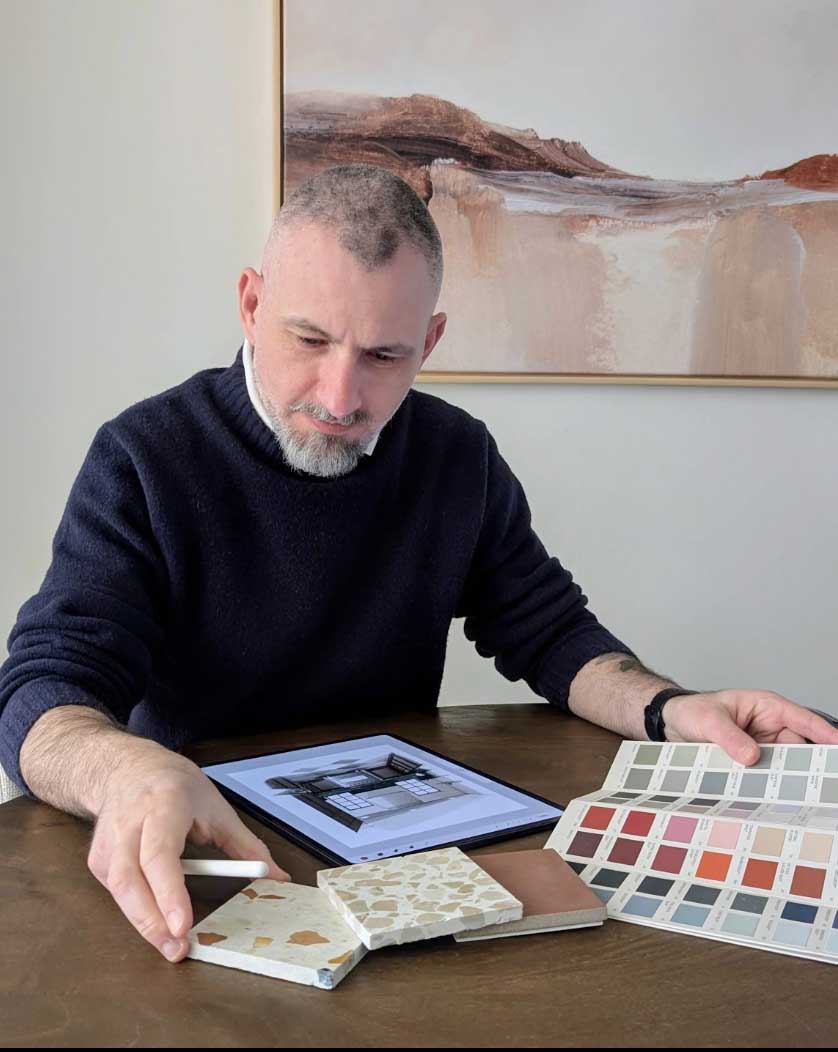
So how does a designer turn all these ideas into an actual interior?
For Luca, the process begins not with a color palette or a statement piece of furniture, but with a conversation.
He talks to clients about their needs, preferences, dislikes and the way they want to use their space.
Then comes a rather interesting exercise.
Immediately after the conversation, Luca writes a single sentence capturing its essence. He sets a timer for two minutes and writes down every word or idea that comes to mind.
No overthinking. No editing. Just instinct.
From there, he selects five or six keywords and develops a short narrative that becomes the foundation of the design.
That narrative informs everything that follows, from the layout and materials to the furniture and finishing touches.
It's a process that gives every decision a purpose.
Rather than choosing individual elements simply because they're beautiful, Luca considers how each contributes to the larger story.
And once that story is established, the creative exploration can begin.
For someone whose design philosophy is so deeply rooted in slowing down, Luca has a rather practical appreciation for technology.
He believes digital tools can make the creative process more flexible, exploratory and collaborative, provided they support the designer's thinking rather than replace it.
That distinction is particularly important in an age when generating an entire room concept can take seconds.
Luca is cautious about turning to image-generation tools too early in the process. Seeing a fully formed interior before developing his own ideas could anchor his thinking to familiar visual solutions, rather than encourage original exploration.
Instead, he establishes the concept first, then uses technology to test and refine it.
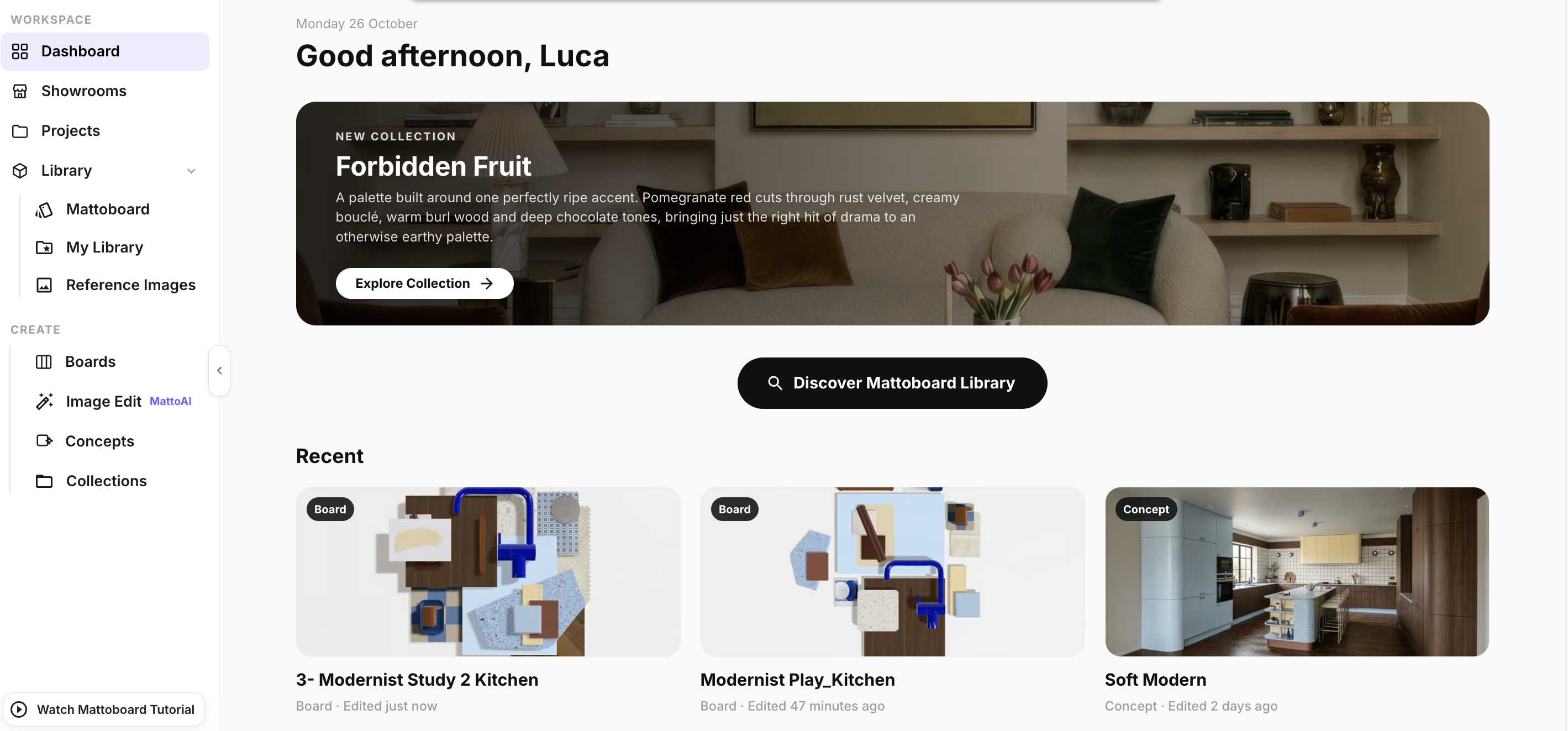
It's here that MattoBoard has become an integral part of Studio Bagnaschino's workflow.
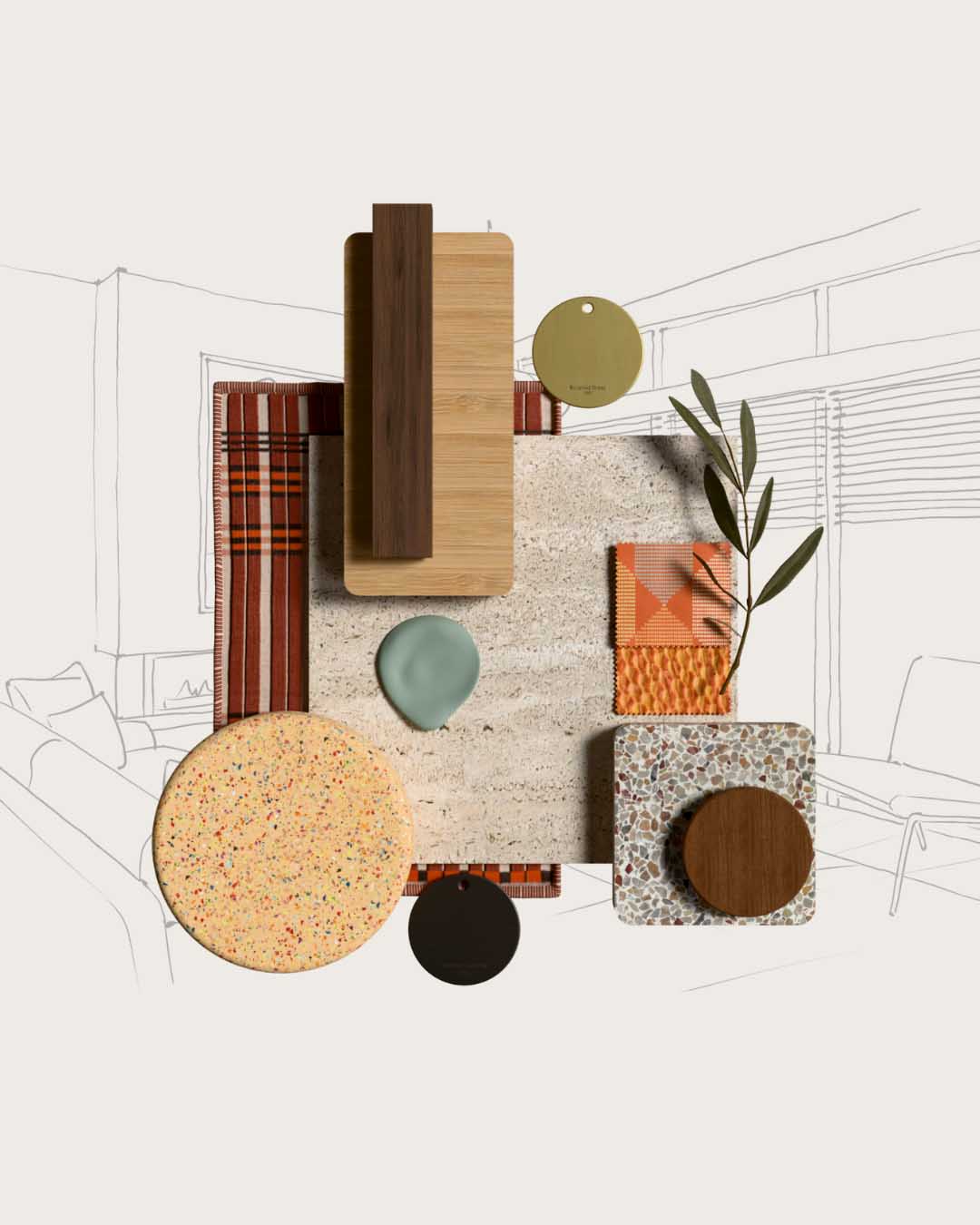
Rather than treating material boards as a final presentation deliverable, he uses them as an active part of the design process.
He begins by collecting materials that relate to the concept, then builds and refines his boards as the project evolves.
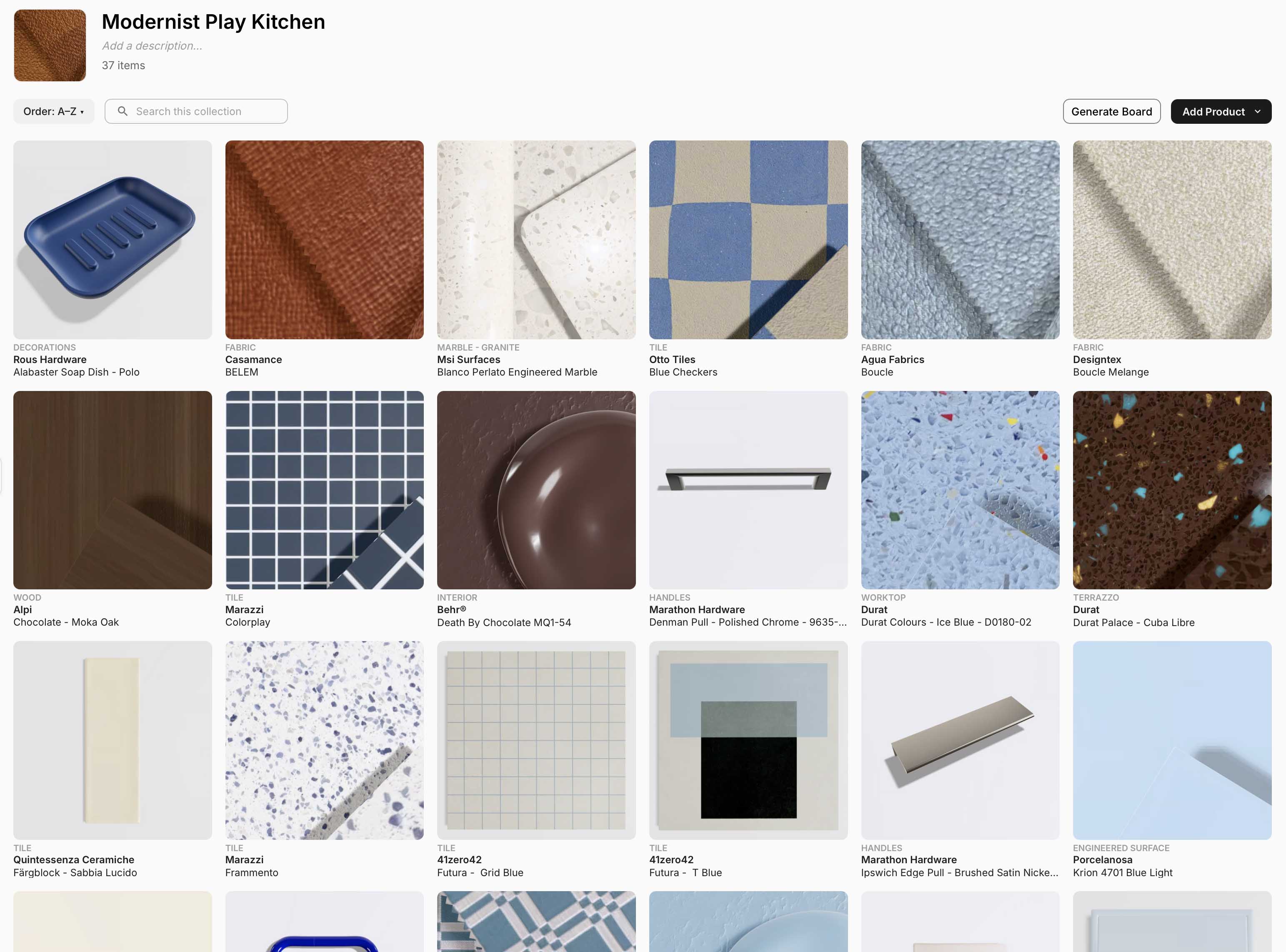
The ability to explore material combinations digitally has also changed how he works as a boutique studio operating primarily online.
Previously, physical samples would accumulate in his office, often before he knew whether they would be suitable for a project.
Now, he can investigate possibilities digitally during the early stages, importing additional materials when needed and building collections tailored to each project.
It's a more flexible approach to material exploration, without the ever-growing mountain of samples.
And the process doesn't stop at the board.
With the MattoBoard SketchUp extension, Luca can access materials from his collections and boards directly within his models, applying finishes and exploring how they work in the wider space.
Changes to his MattoBoard collections are automatically reflected in the extension, keeping material exploration and 3D visualization connected.
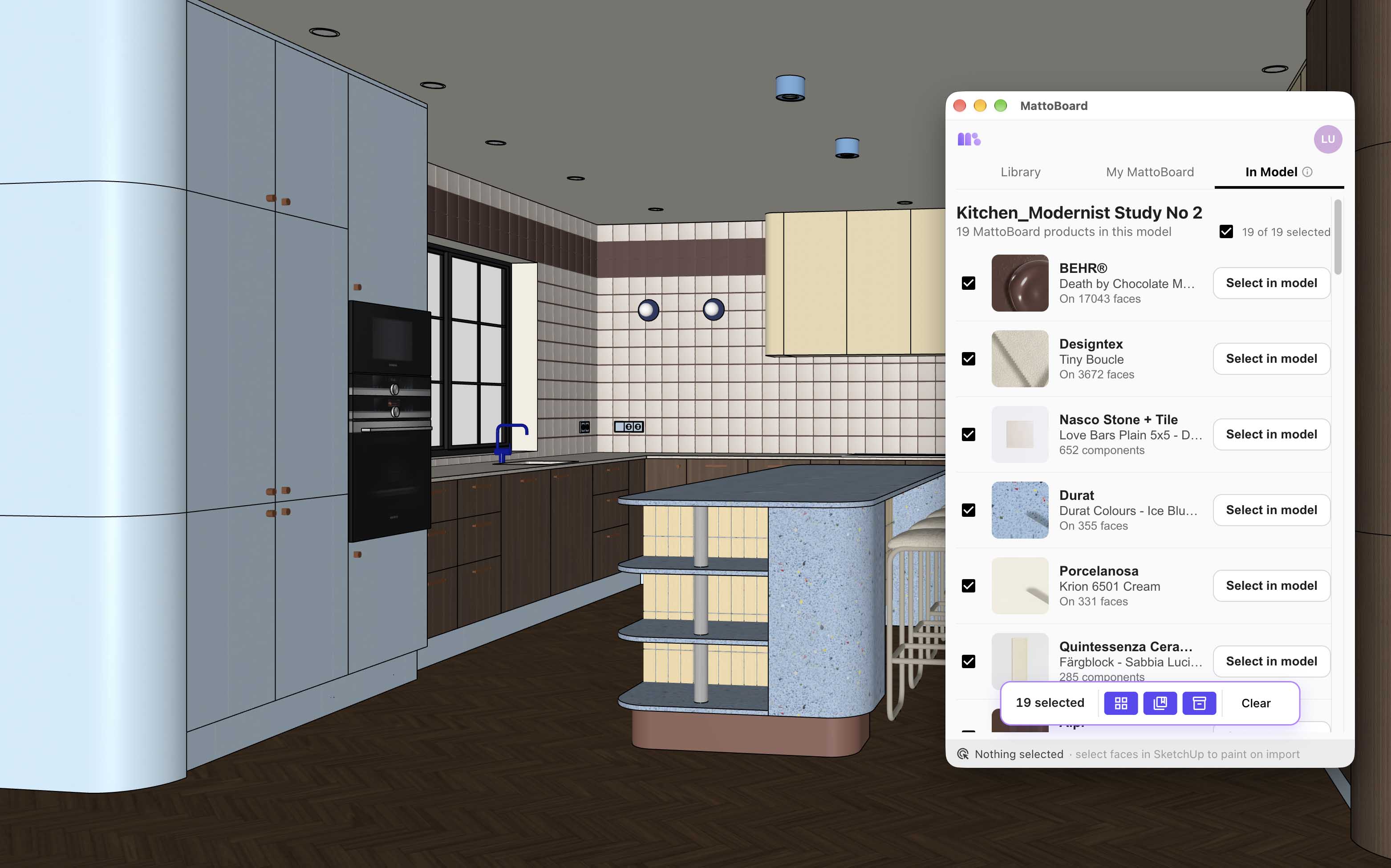
For his clients, this creates a clearer, more collaborative experience.
They can follow the evolution of the material palette, understand the reasoning behind individual choices and see how those decisions translate into the design.
But perhaps the most important part of Luca's workflow is what the technology doesn't do.
It doesn't decide the concept.
It doesn't define the aesthetic.
And it certainly doesn't replace the designer's judgement.
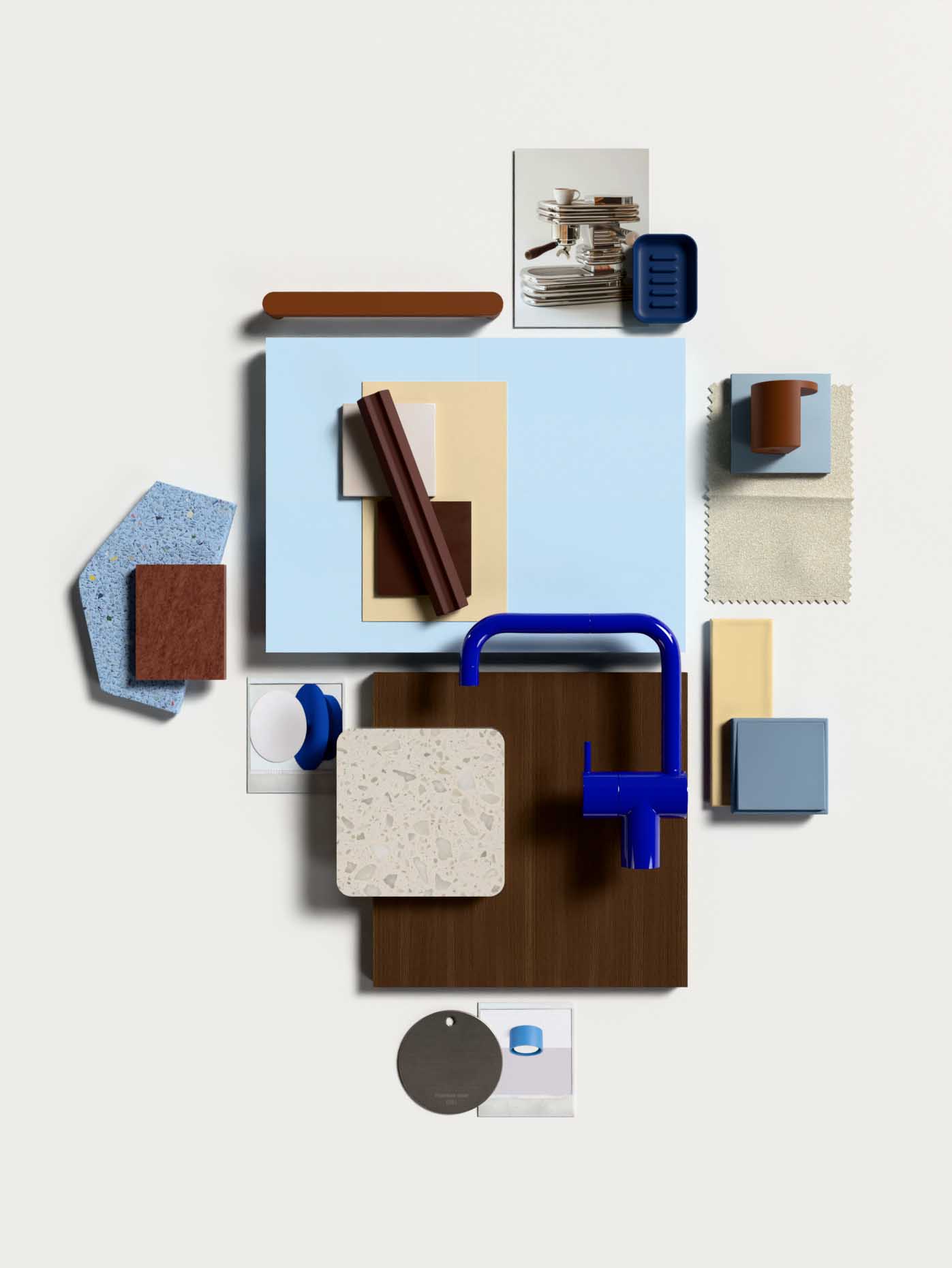
For Luca, digital tools are most valuable when they make room for more creative thinking, not less.
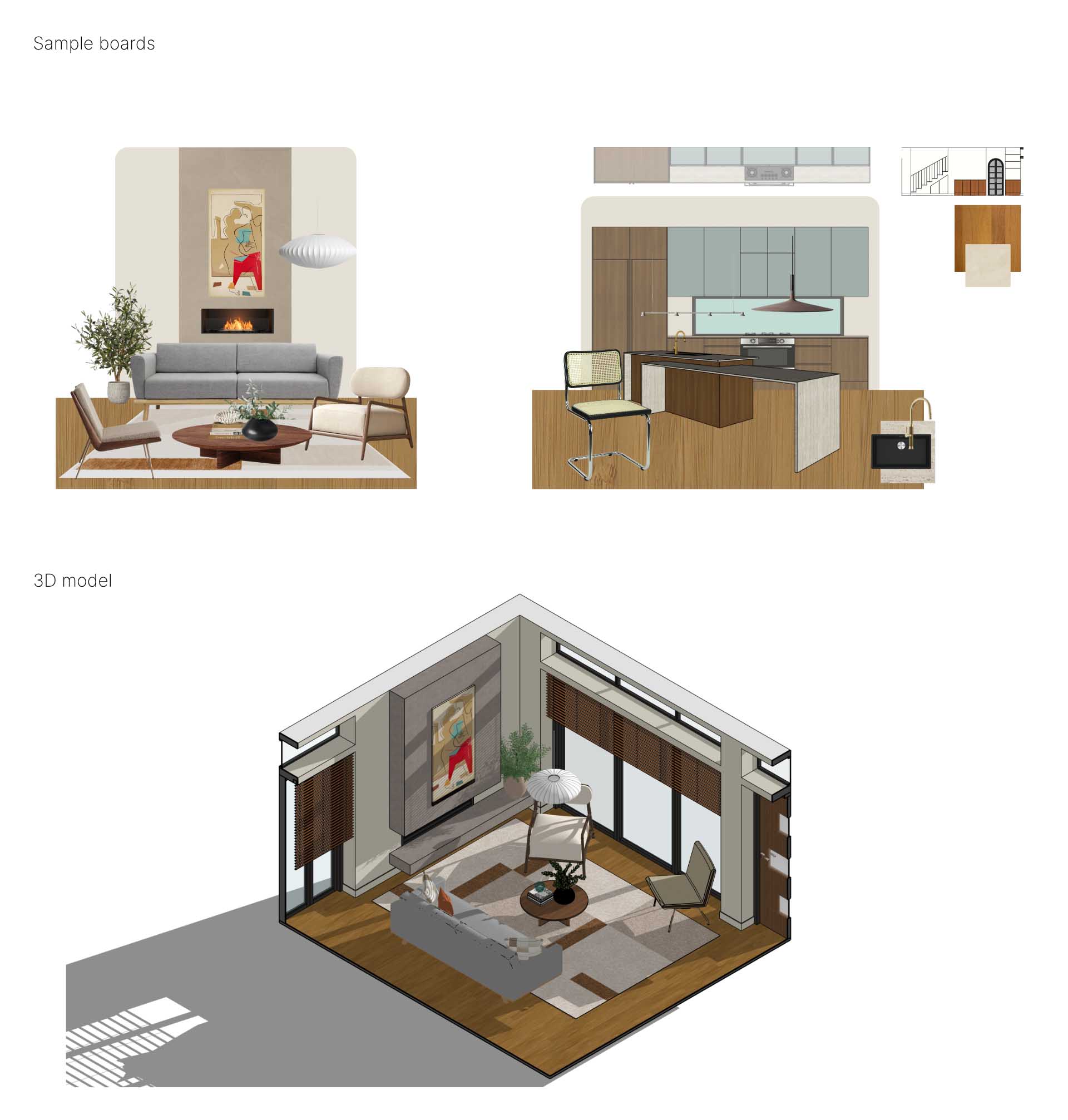
There's a common thread running through Luca's work.
Whether he's reinterpreting a childhood memory, combining unexpected materials or refining a concept through digital tools, the intention remains the same: to create homes that make sense for the people living in them.
And if he could change one thing about how people approach designing their homes?
He'd ask them to stop thinking about the shopping list quite so soon.
It's easy to become attached to a beautiful sofa, a particular material or an interior that looks perfect on Pinterest.
But Luca encourages clients to consider what they actually need from their space first.
How do they want to feel? What routines should the home support? What would make everyday life more comfortable or enjoyable?
Only then should the furniture, finishes and colors enter the conversation.
Because ultimately, a home doesn't need to follow the latest trend, coordinate perfectly or resemble a magazine cover to be successful.
It needs to work for the people who live there.
And perhaps that's the real lesson in dolce far niente.
A home should give us somewhere to enjoy life, not another thing to keep up with.
Discover Studio Bagnaschino